The
Story.
Two decades. Three states. One full arc.
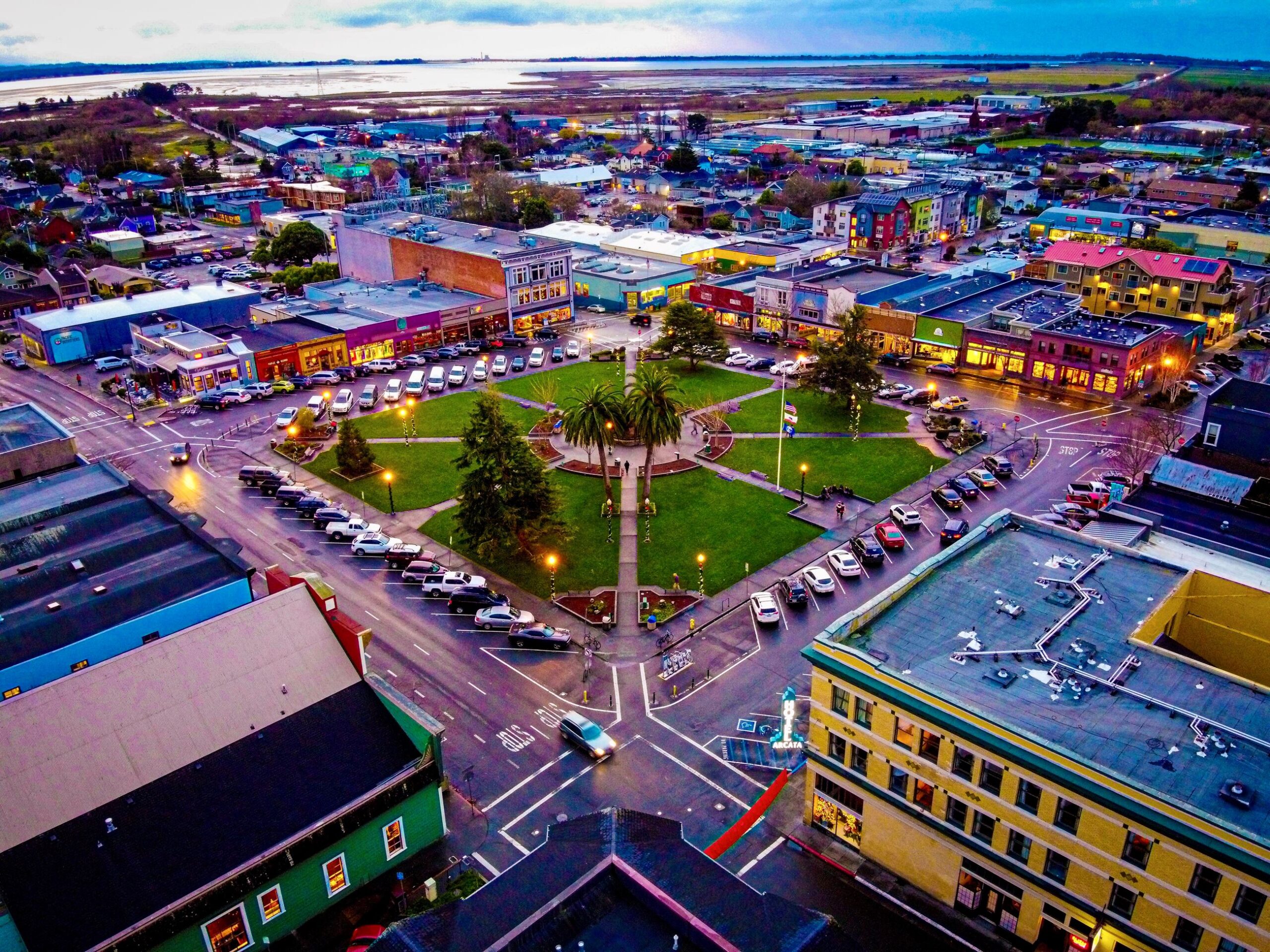
Southern California
to Humboldt.
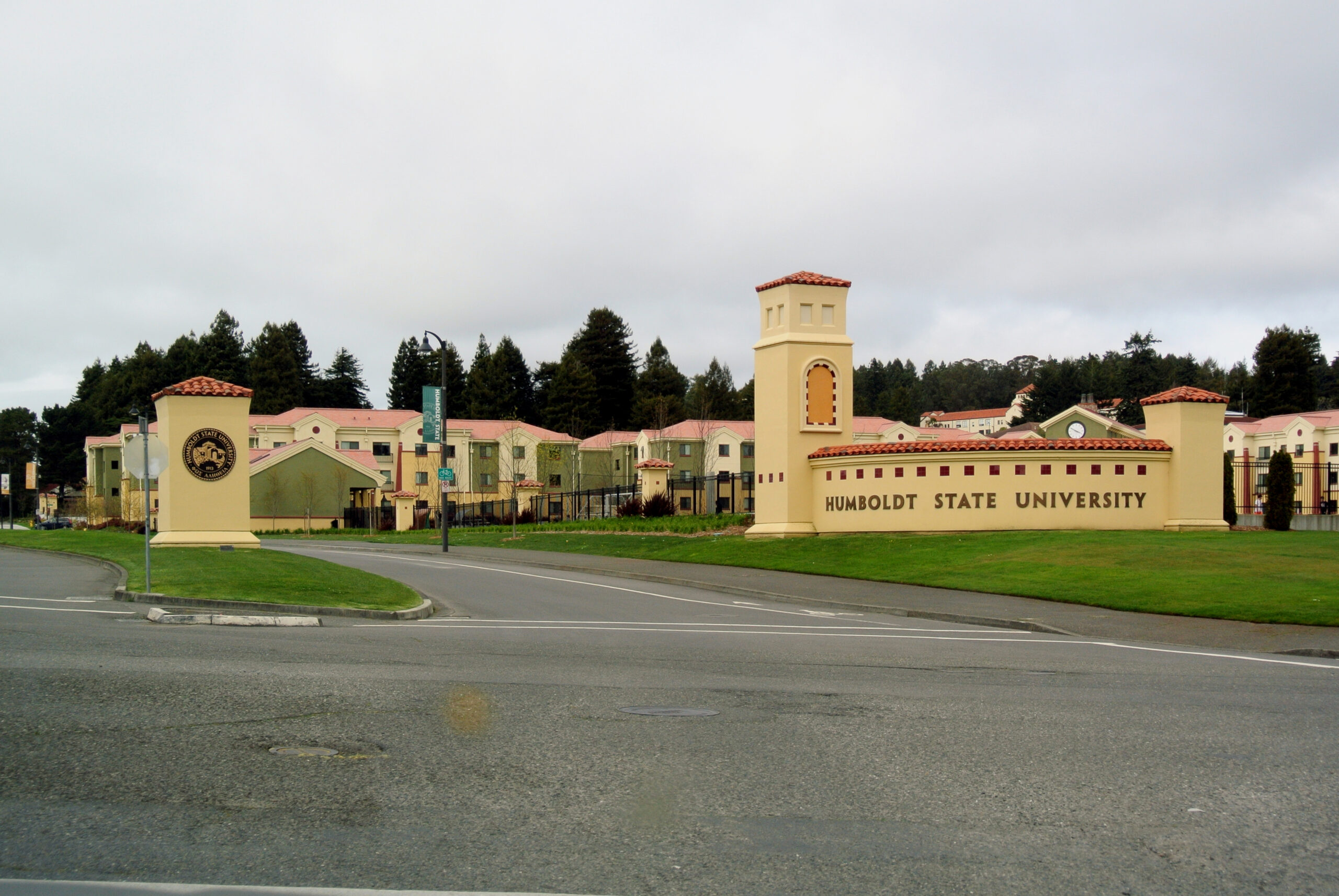
Humboldt State University
2001–2002
It started in a Southern California backyard around 2000 — a handful of seeds, a curious kid, no real plan. Nothing commercial came of it. But something clicked, and it didn’t unclick.
He chose Humboldt State the way people choose places that already feel inevitable. The academics were beside the point. When he finally had enough space and a college student’s budget to justify it, he started growing. Not casually — the way he did anything that caught his interest, which meant studying it, engineering around it, and refusing to accept mediocre results. The quality surprised people. Word traveled the way it does in a small town. At some point the economics became impossible to ignore. He was running 24 lights before life pulled him elsewhere.
He came back to Humboldt the way you come back to something unfinished. He’d kept one relationship alive during the years away — old fashioned, pre-Facebook, actual phone calls — with someone worth returning to. When he said he was getting out, the property was already rented by the time he landed. He was transplanting cannabis within 24 hours of being back in town.

McKinleyville
& Fieldbrook,
CA.
2013–2016
24 lights → 60 lights
Fully hydroponic
Custom reservoirs
Skunk Beds invented
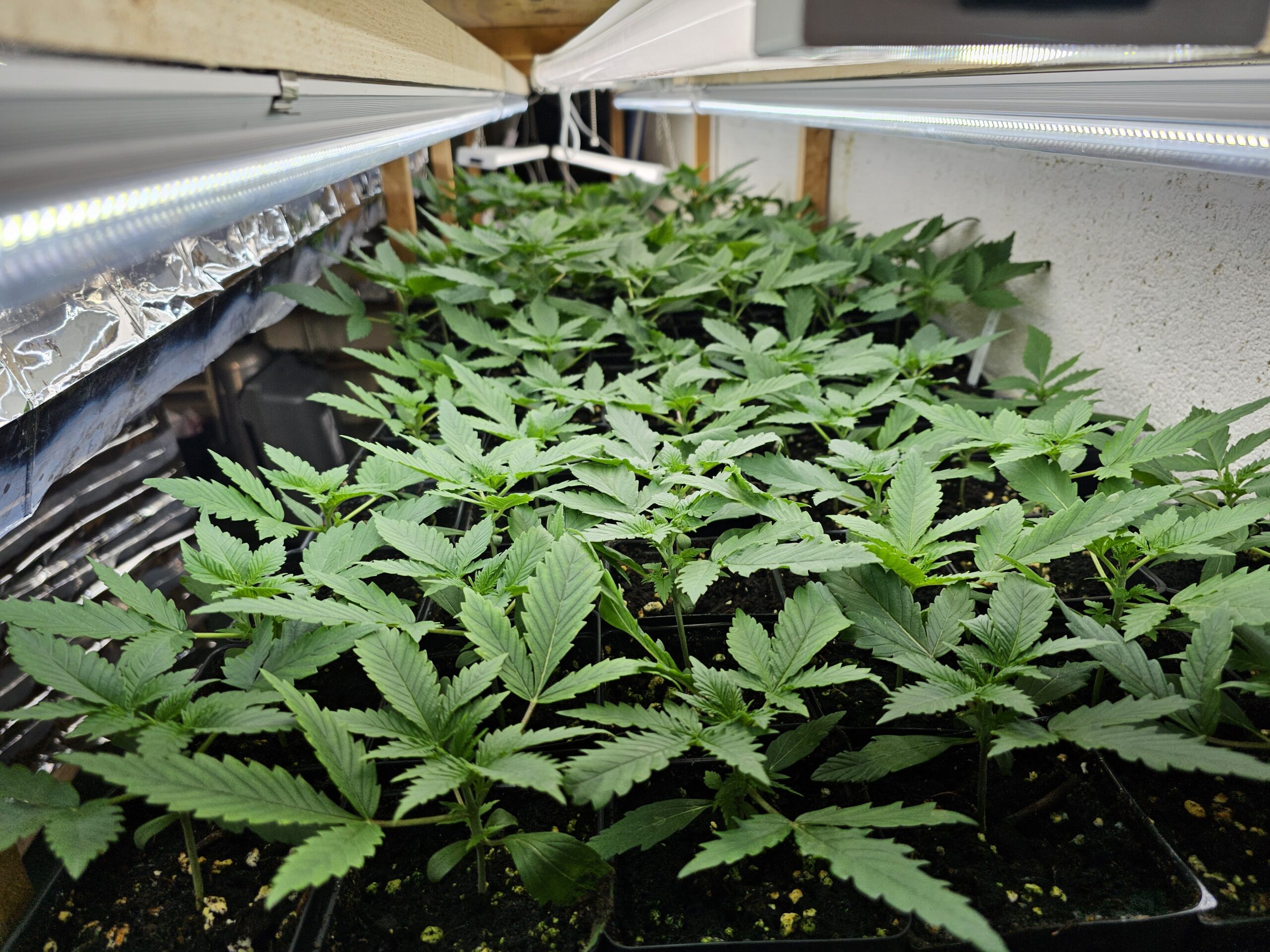
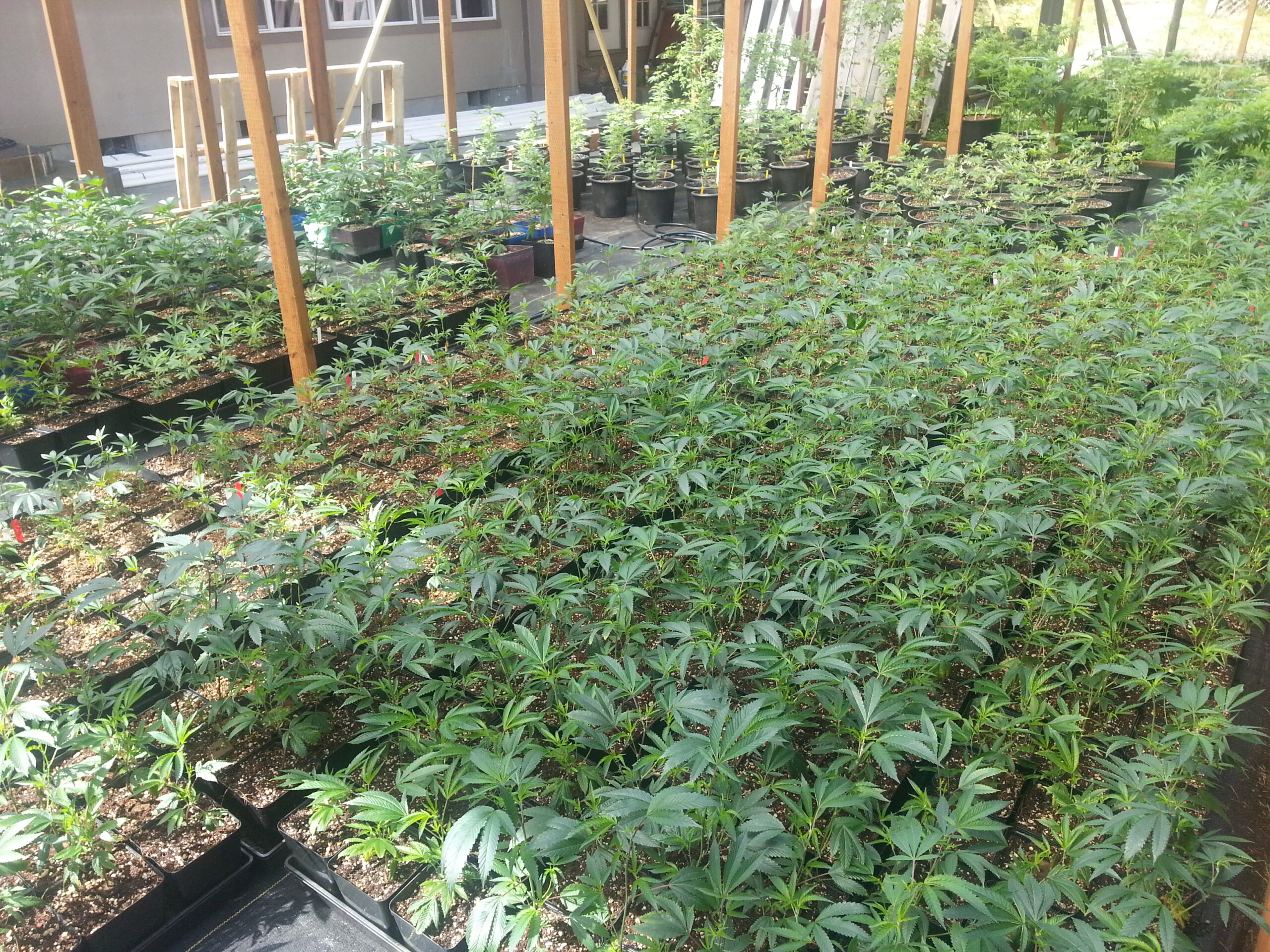
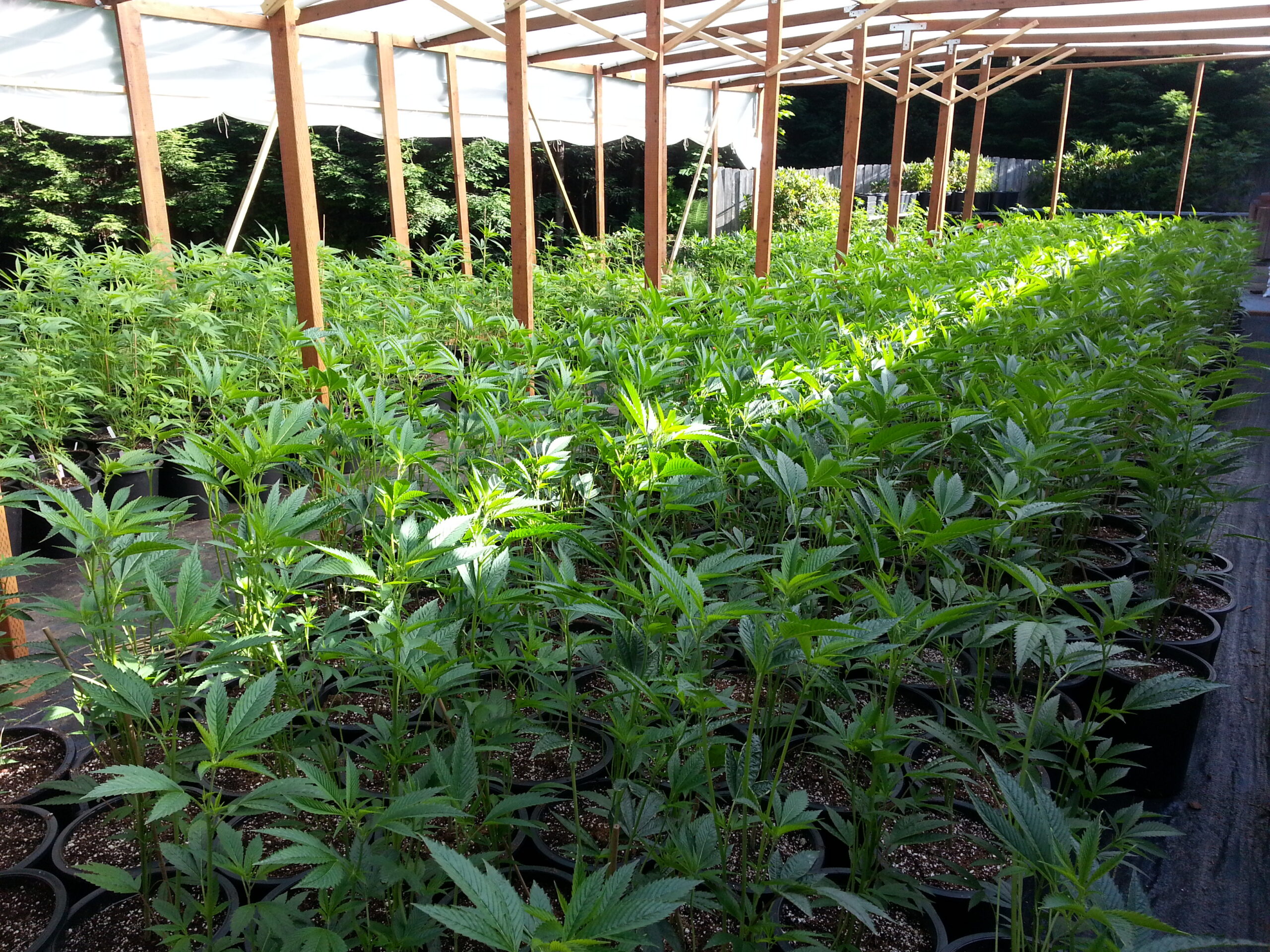
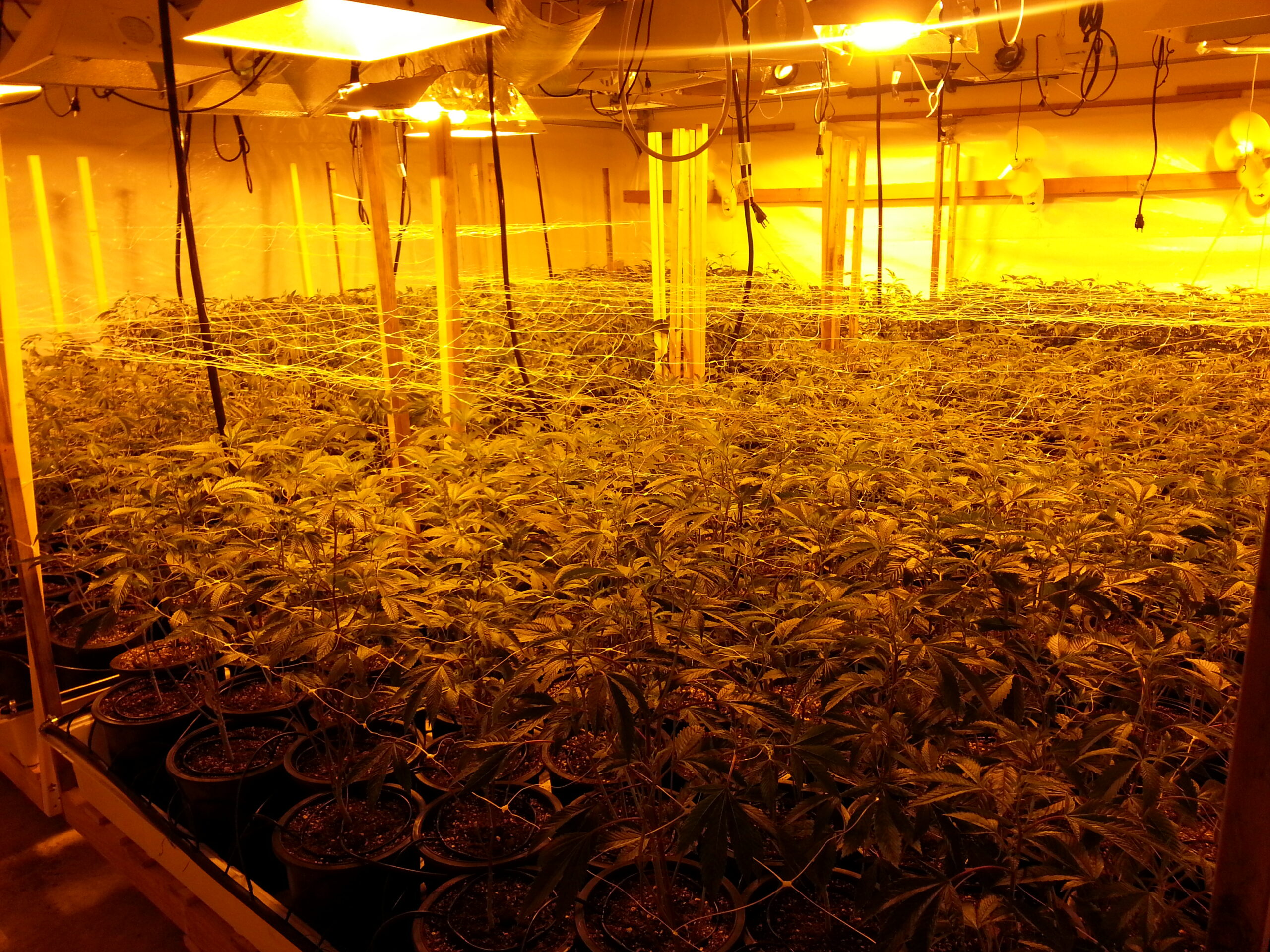
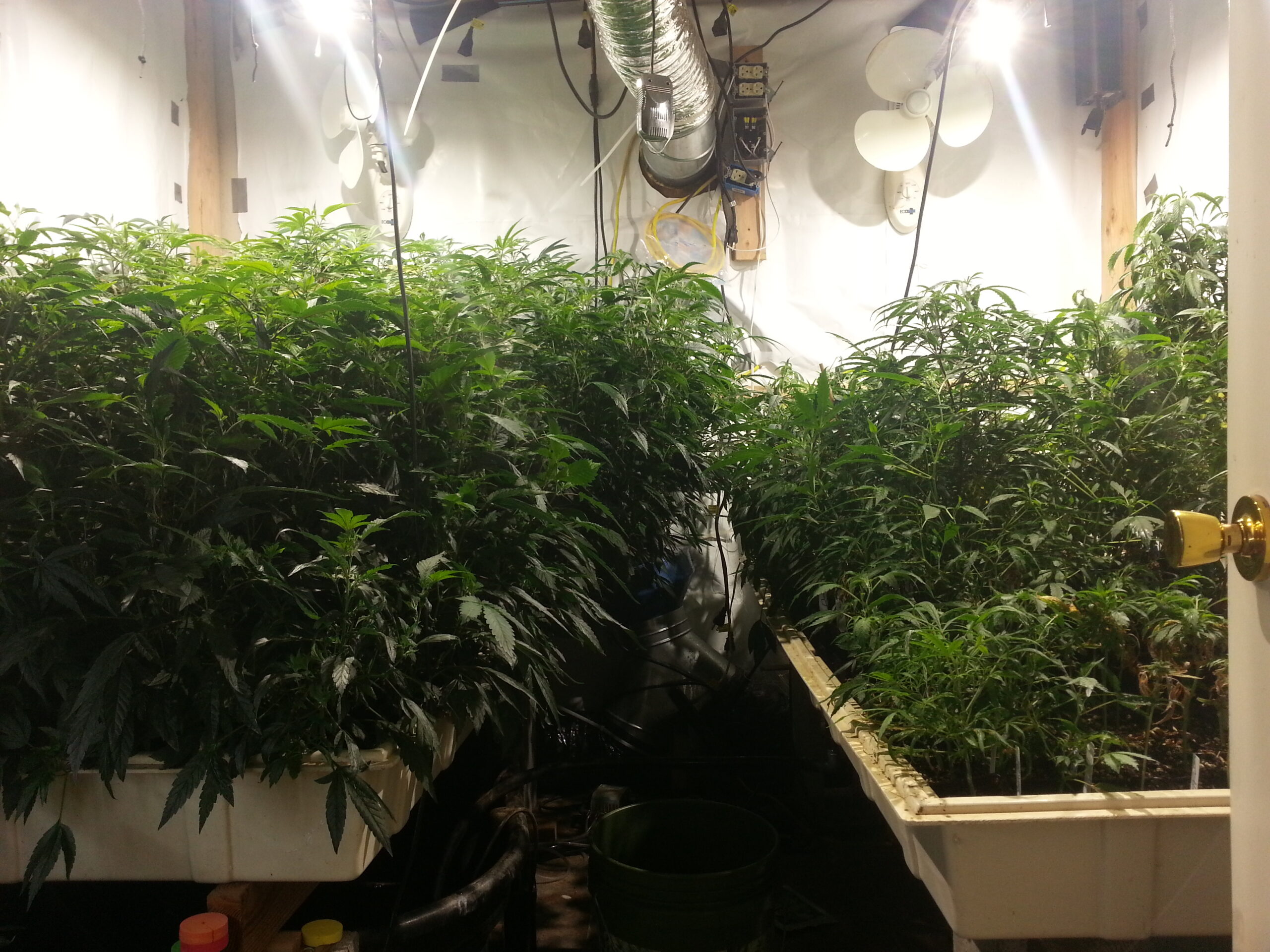
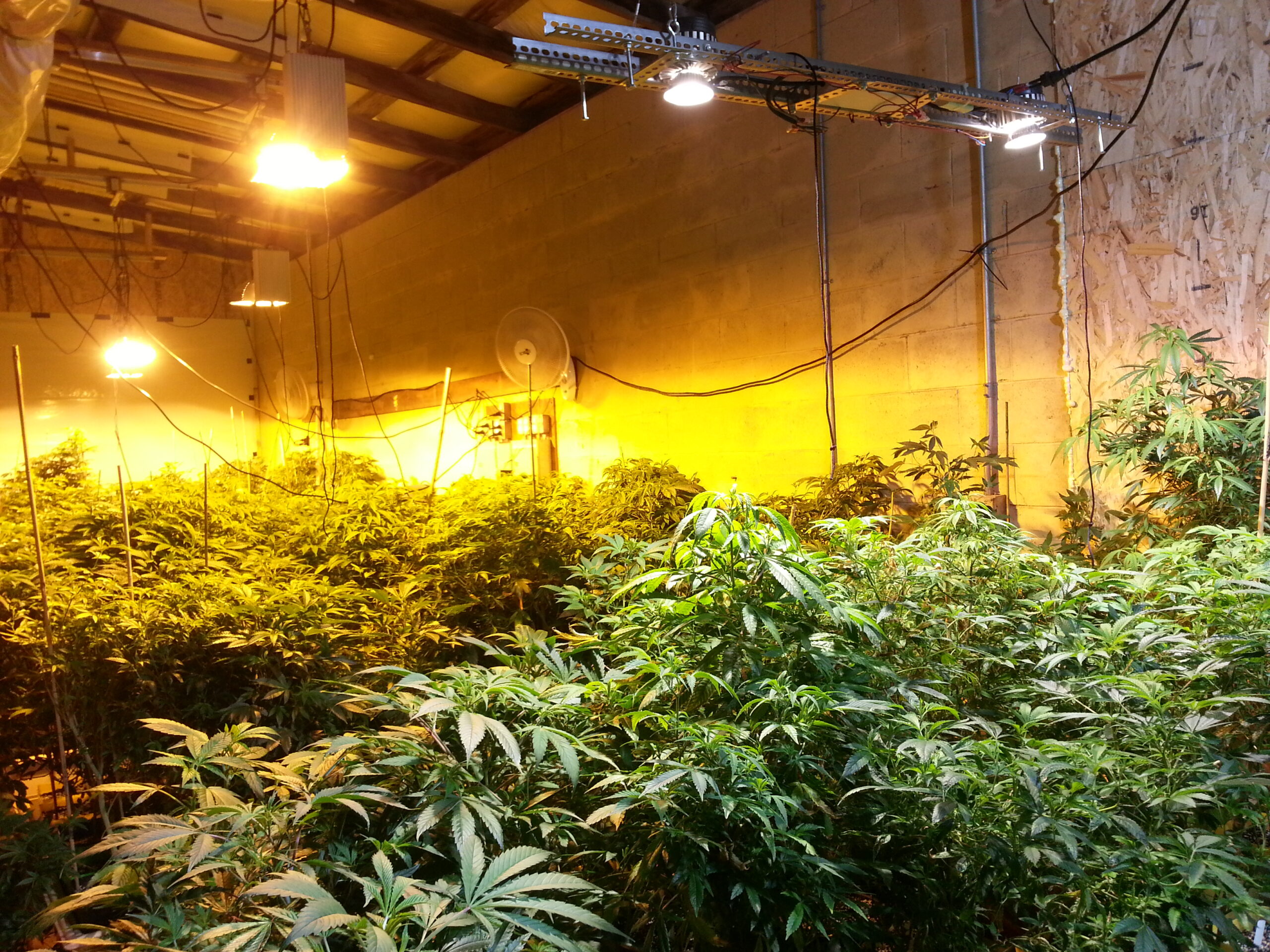
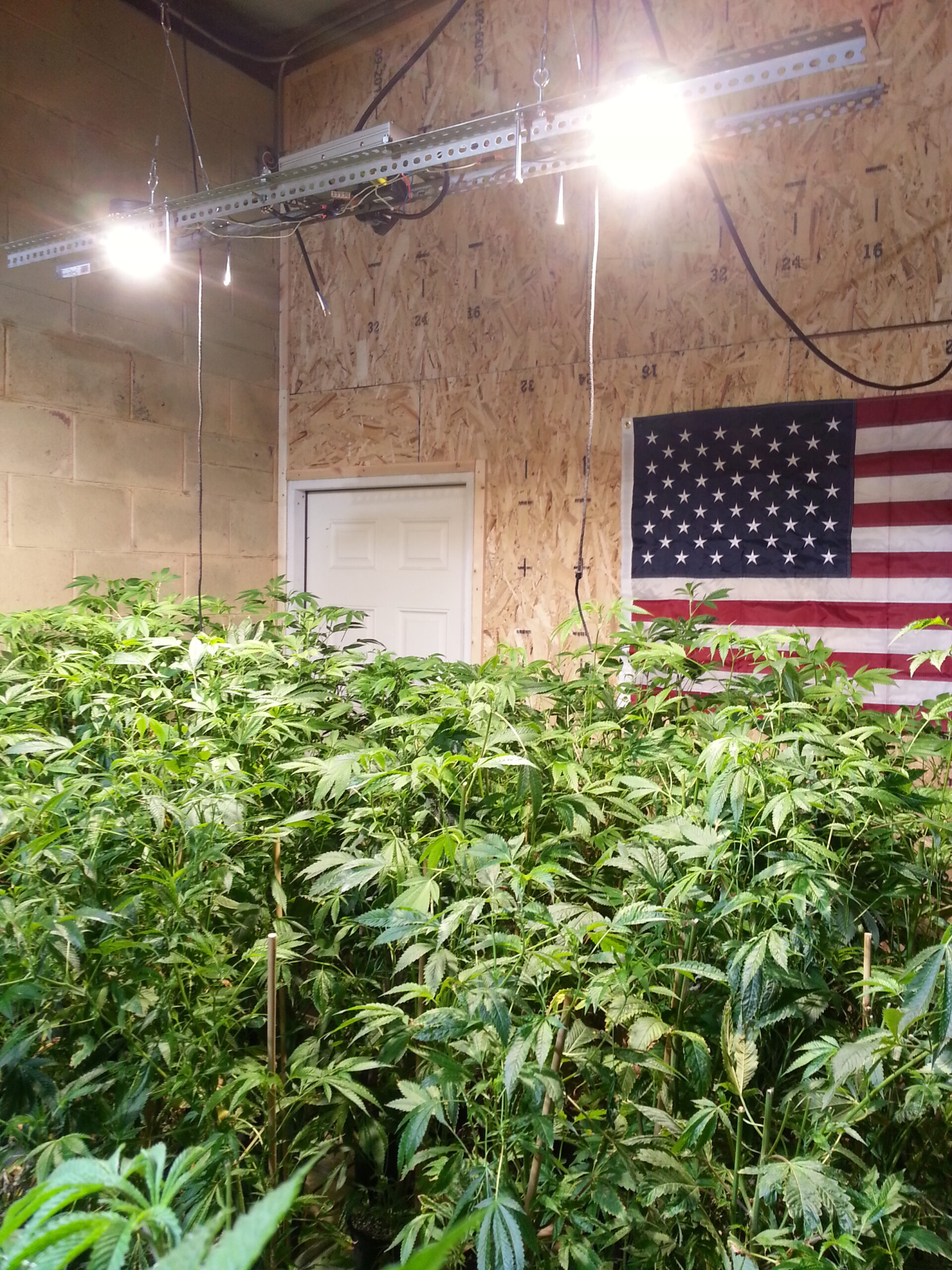
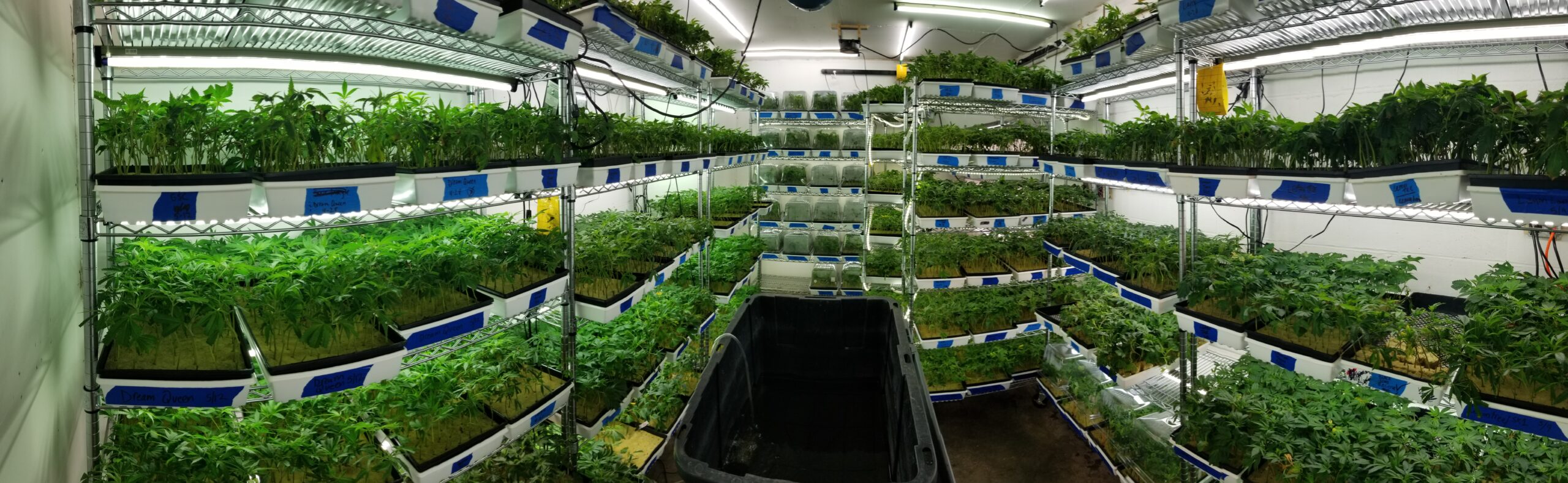
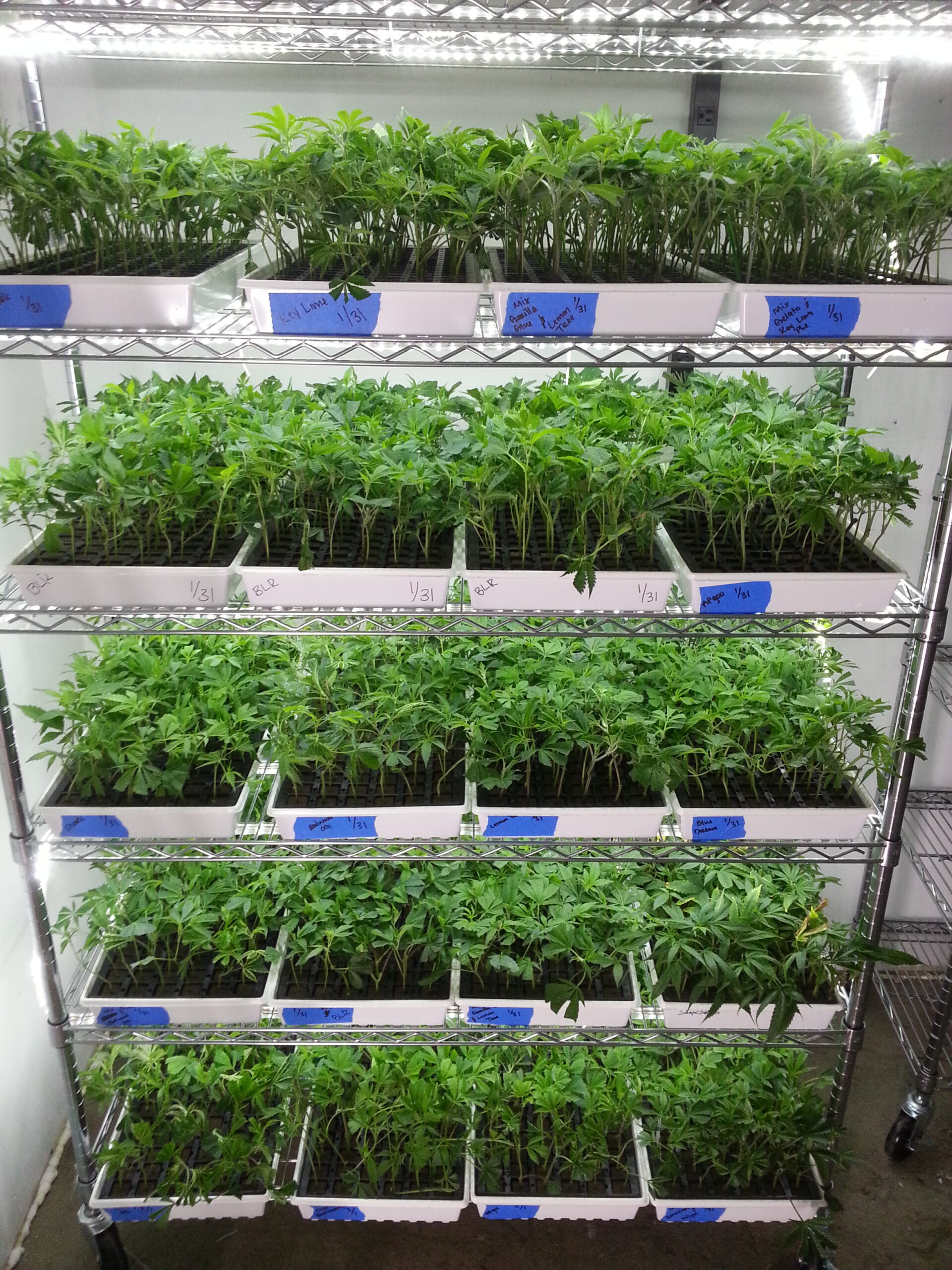
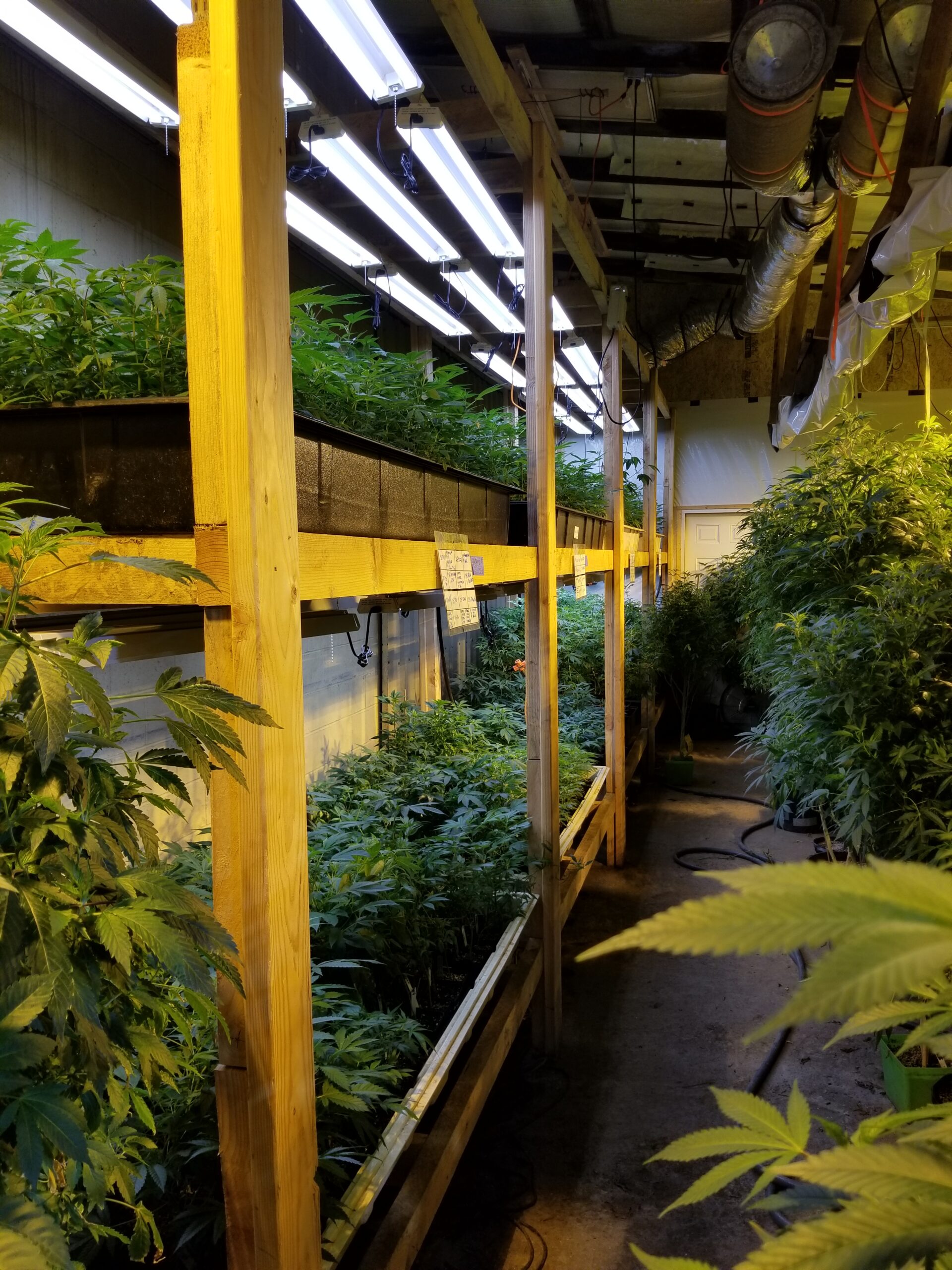
The McKinleyville setup was 24 lights, fully hydroponic, custom reservoirs. The veg rooms were mirrored images of each other. And it was here, out of pure spatial logic, that Skunk Beds were invented — tiered, multi-level propagation racking built before the industry had a name for it. Bunk beds, but for plants. Years later the industry would call it vertical farming and act like it discovered something.
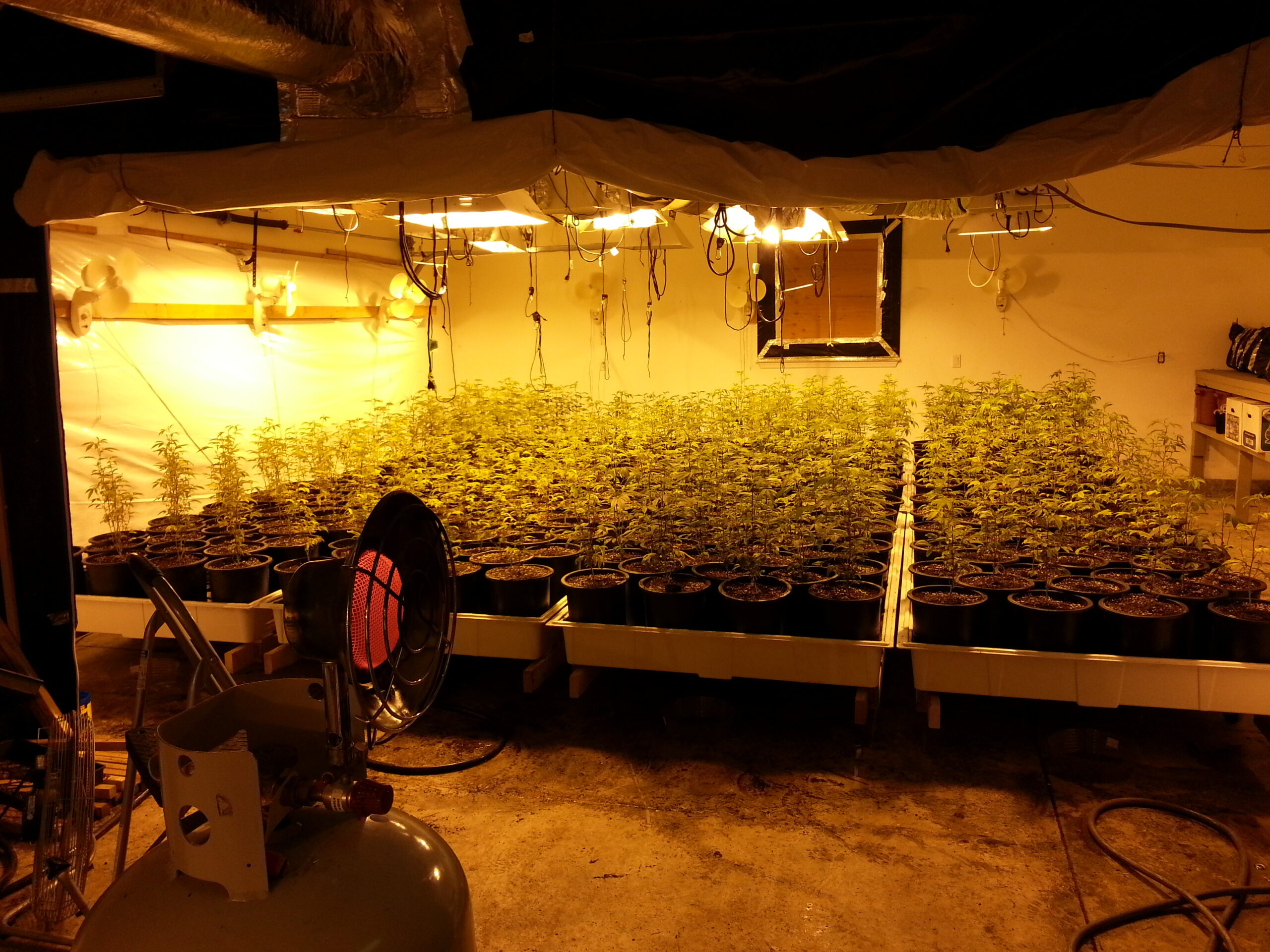
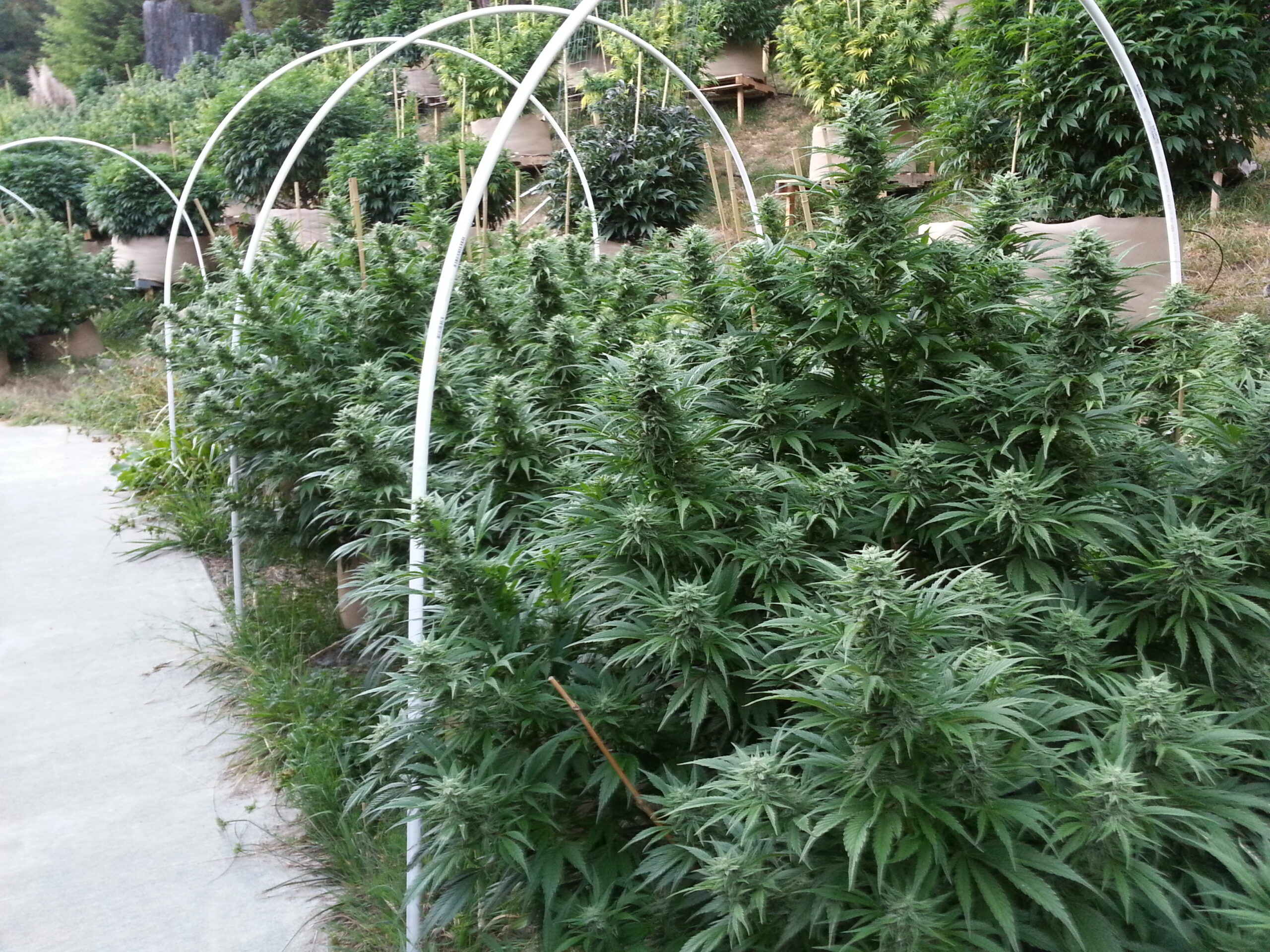
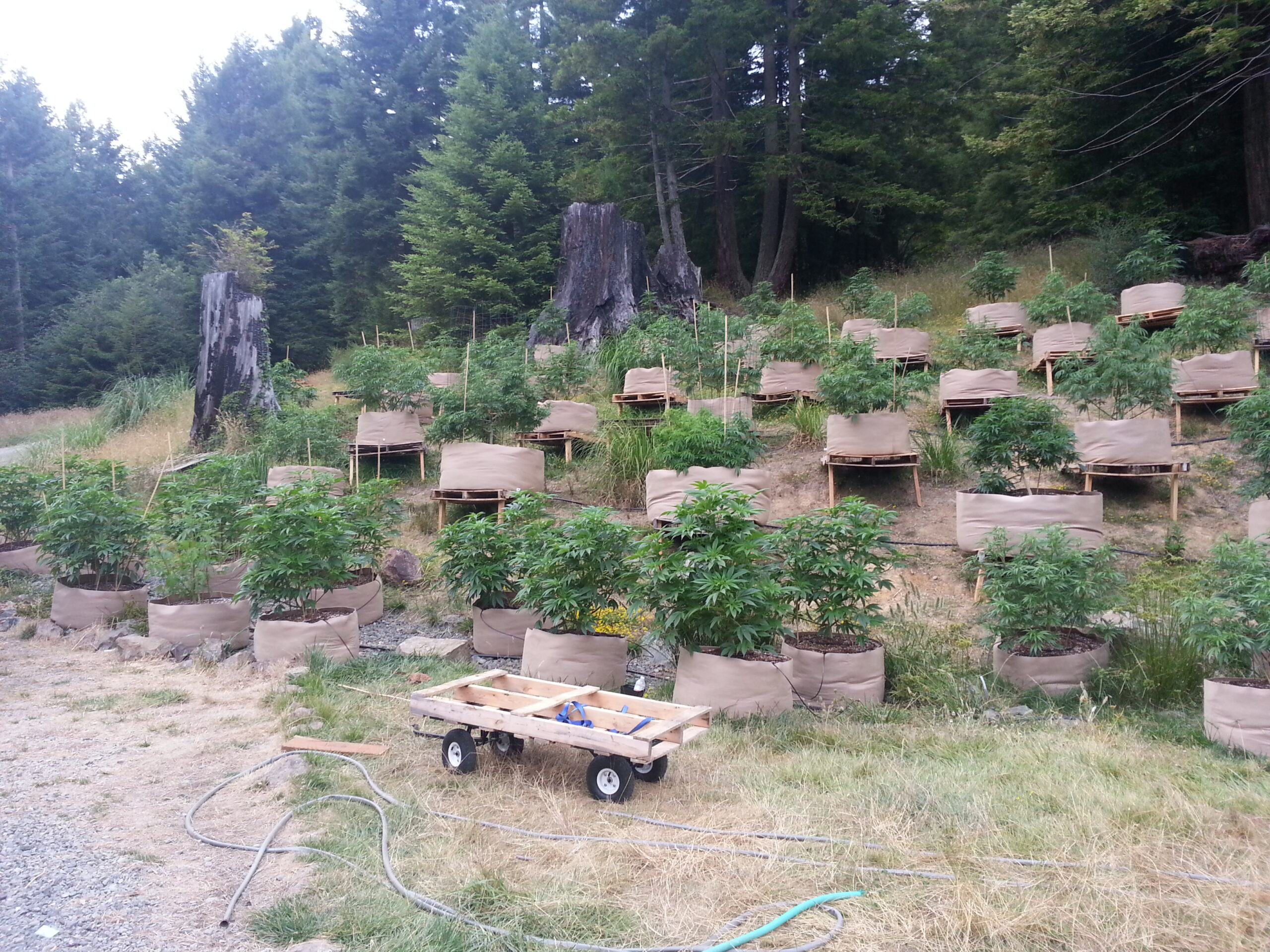
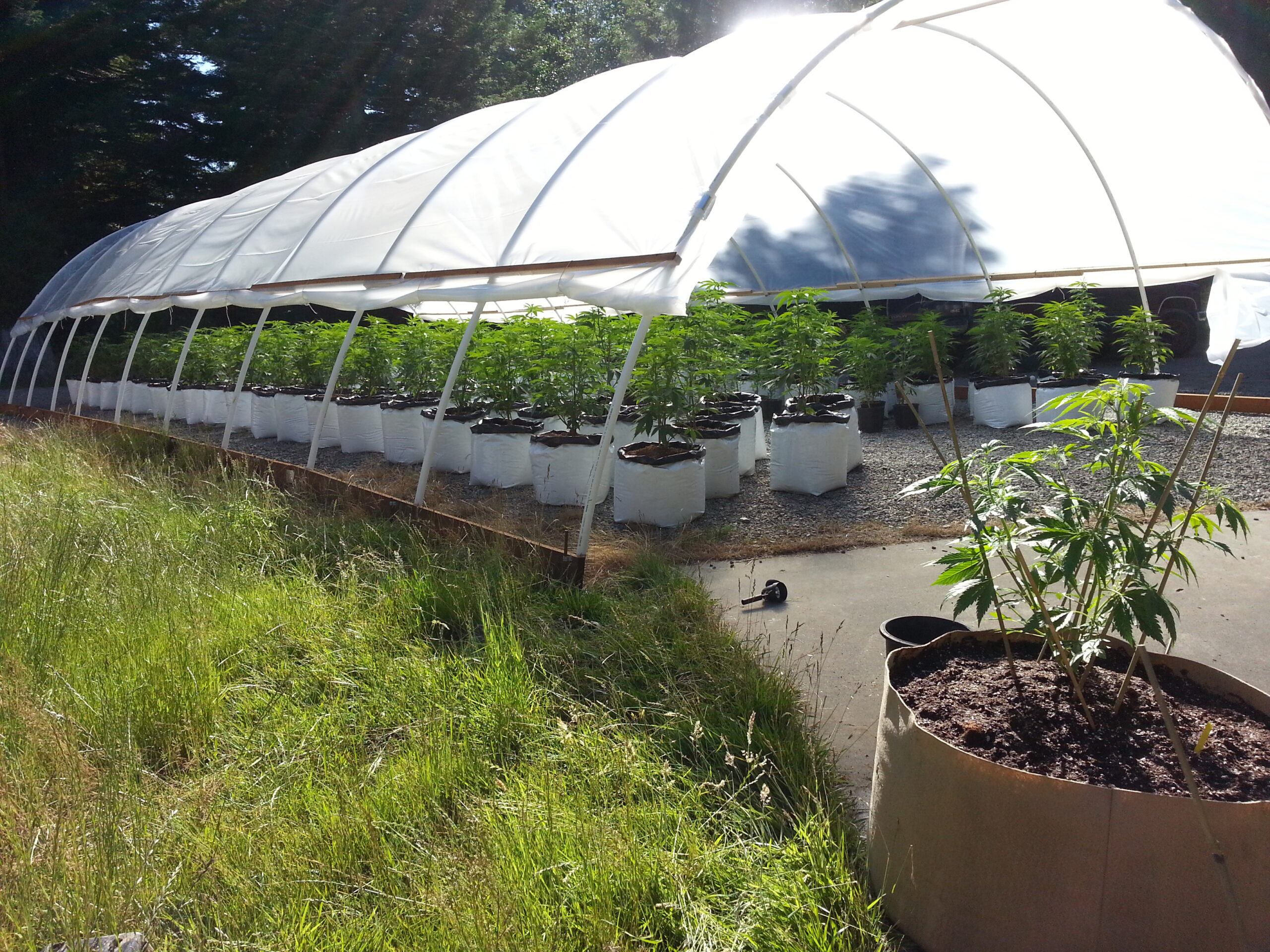
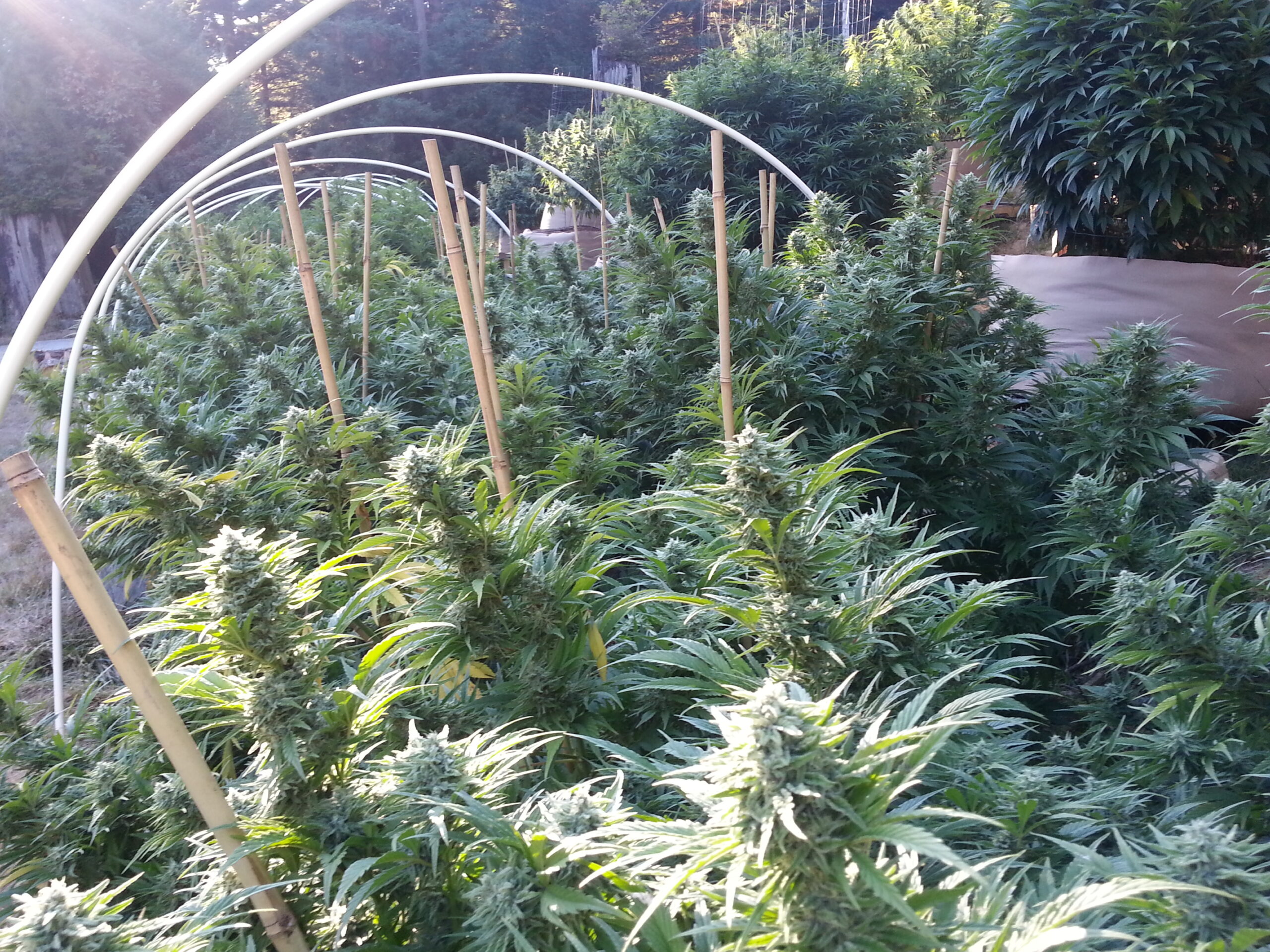
The next spring they scaled to a 3-acre property in Fieldbrook — 60 lights, fully modular, tables on wheels, hydroponically plumbed to a ceiling-mounted manifold that disconnected clean so tables could roll for worker access. Outdoor planted around the entire property when the season came. The partnership ran its course. He reset.
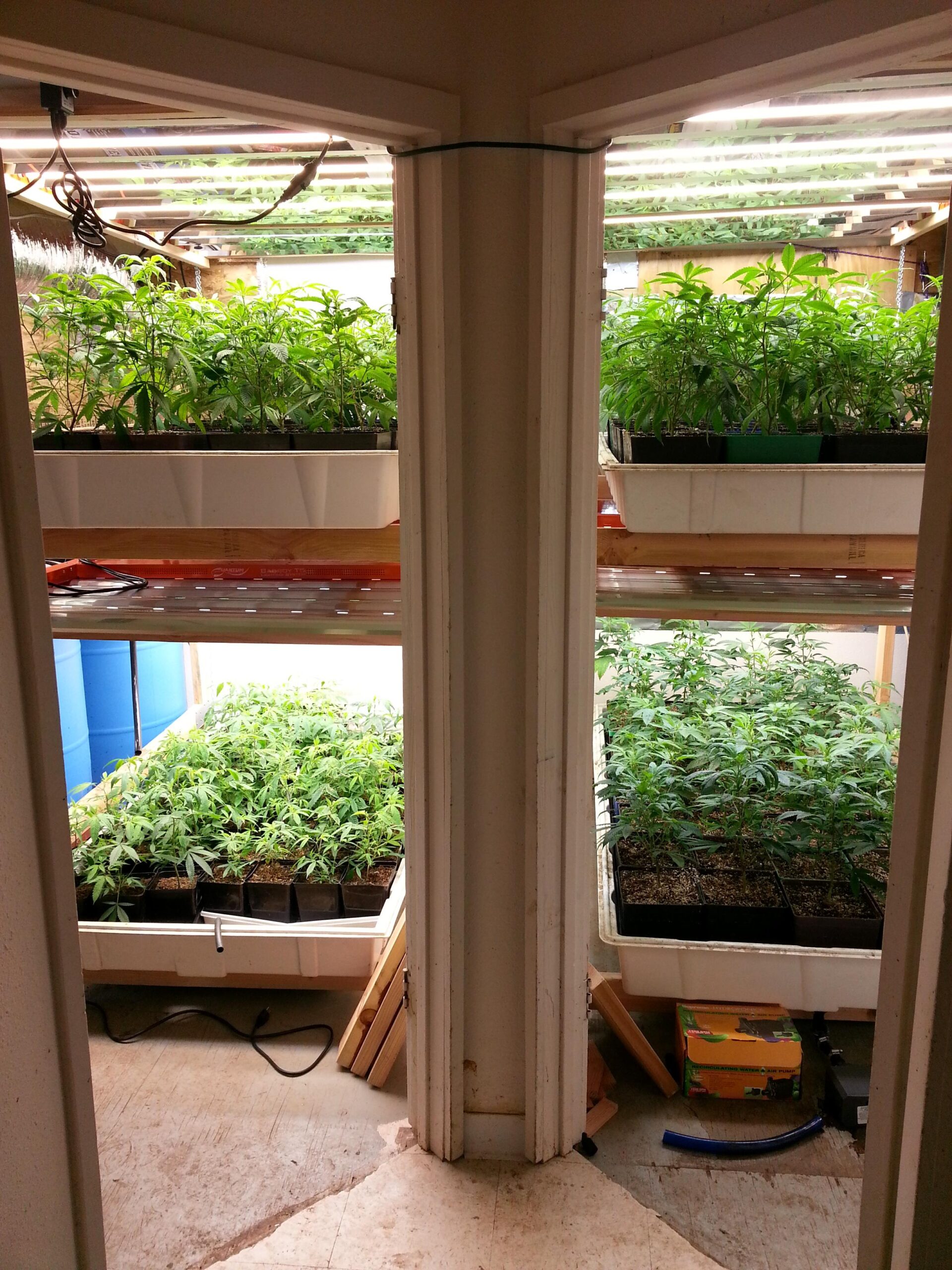
Skunk Beds — tiered propagation before the industry had a name for it.
The kitchen
table
years.
Sales Manager
Eureka, CA
Custom COB LED builds
Spectral optimization
Industry adoption
Back in a basement in Eureka, rebuilding solo, he landed at the counter of North Coast Horticulture Supply — the largest hydro retailer in Humboldt County. As Sales Manager he became the technical resource the county relied on. And it was across that counter that the next problem announced itself: growers kept asking where to get clones. He pointed them toward friends at first. Quickly realized he should just be making them himself.
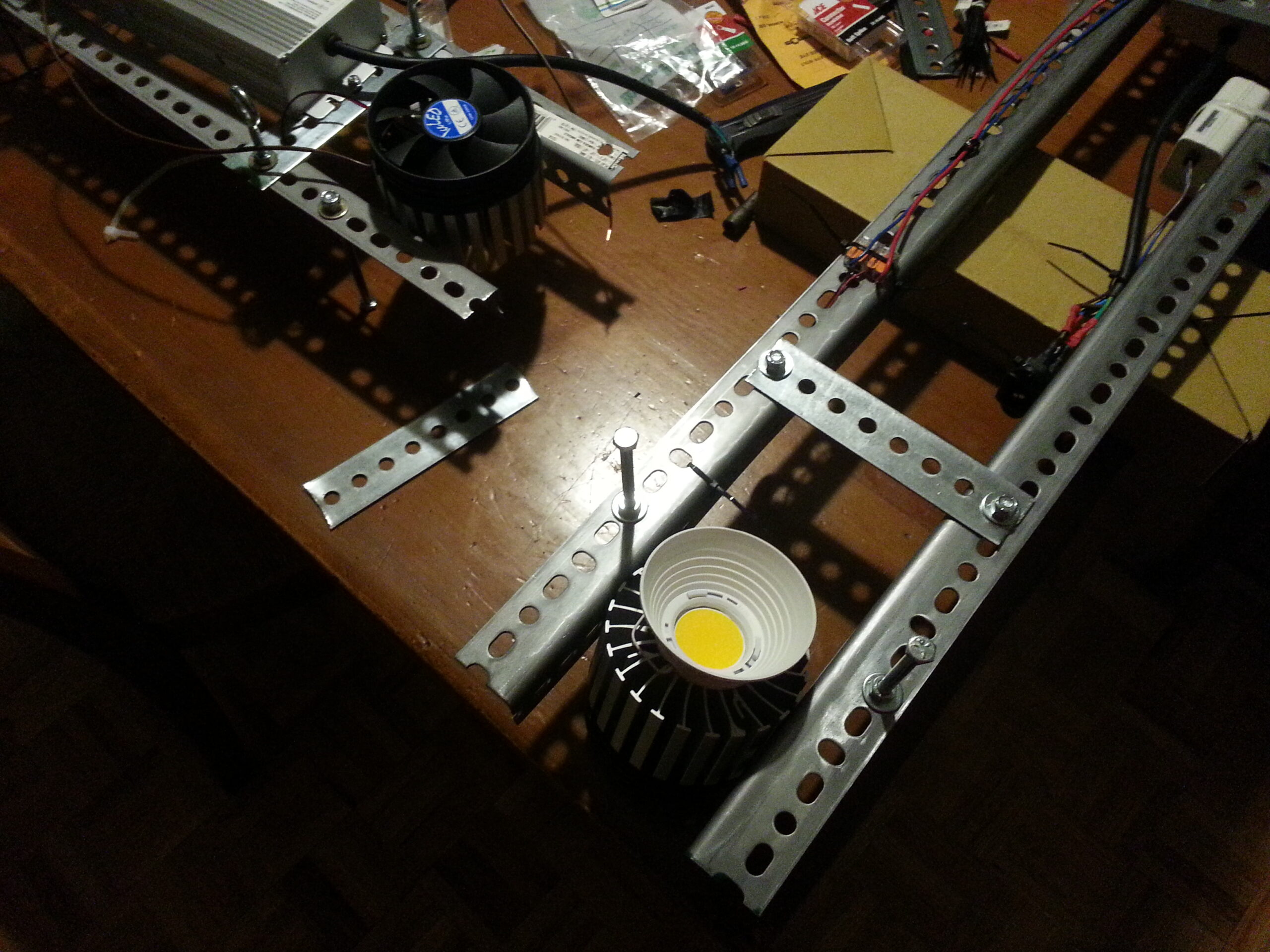
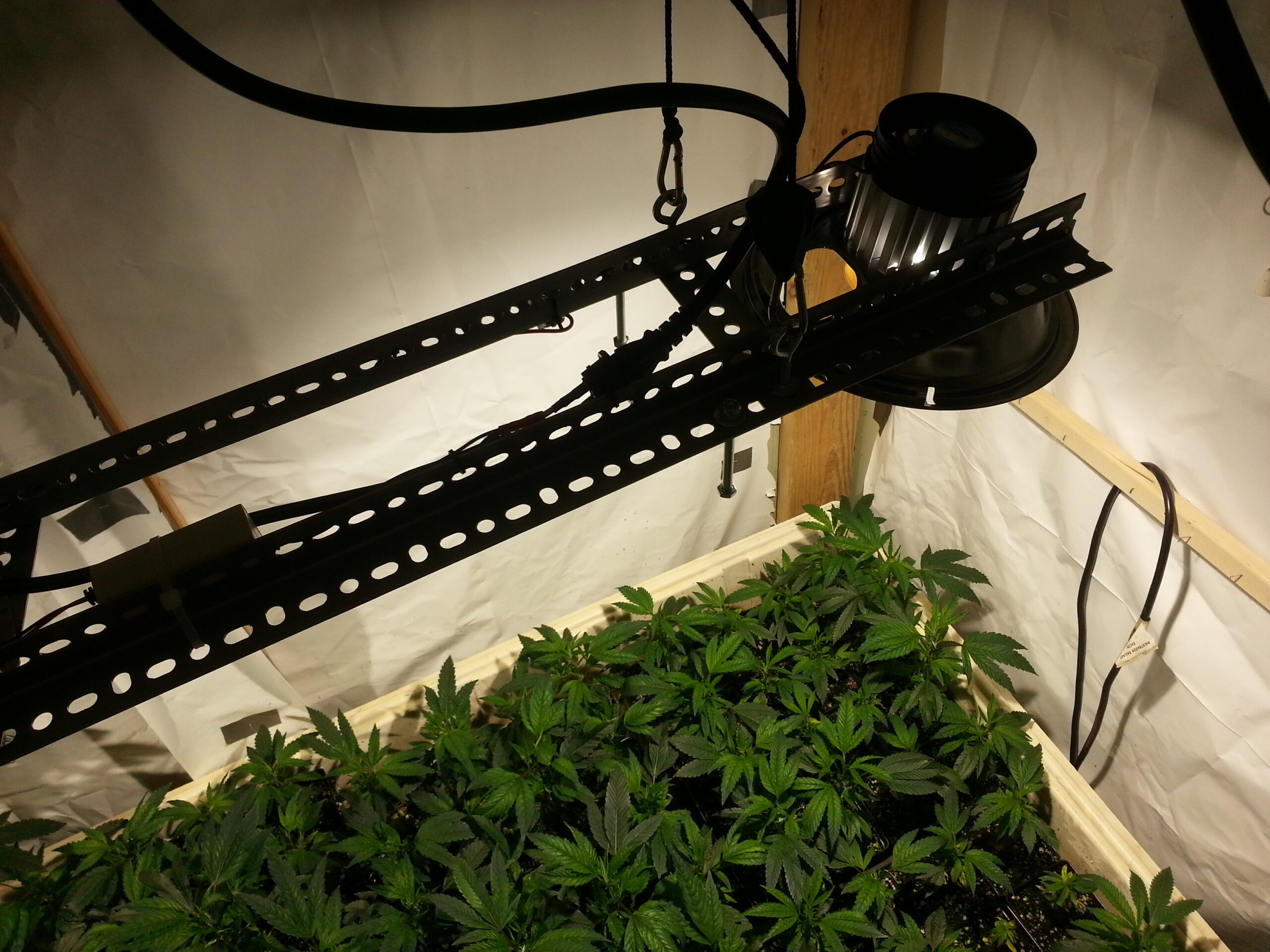
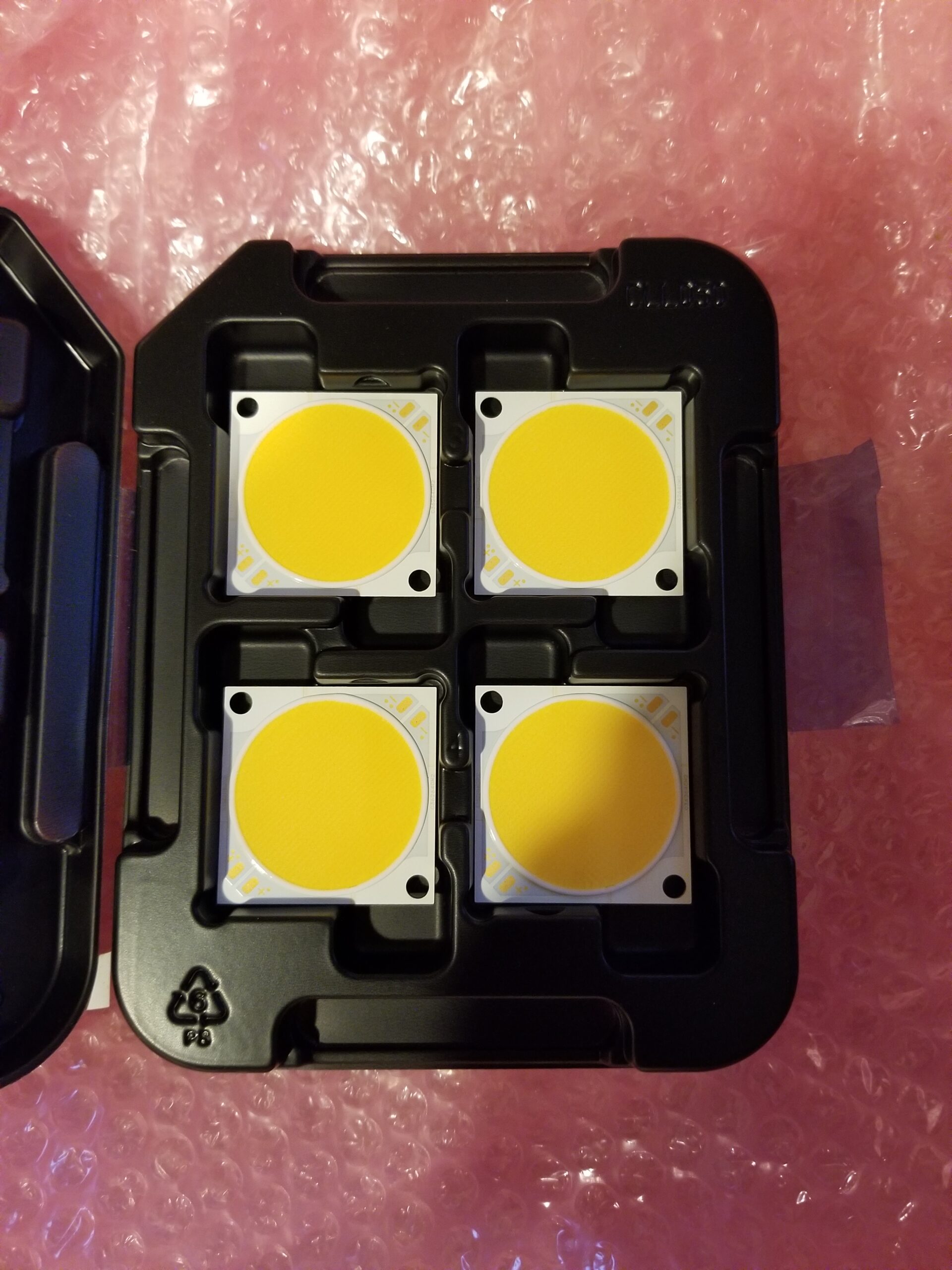
Filling a basement with plants meant confronting a lighting problem. He wanted lower heat, lower draw, better penetration. LEDs were theoretically the answer. Commercially, nobody had built them right yet. So he taught himself — electrical theory, nanometer wavelengths, spectral optimization for plant-specific photosynthesis. Ordered components. Built fixtures on his kitchen table.
The industry was still loyal to CMH315, LEP, and metal halide. LEDs were untrusted. He brought his prototypes into NHS anyway and demo’d them to unsuspecting customers — walking them under the fixtures and hitting a remote clicker.
One regular noticed. He was experimenting with LEDs himself and recognized what the demos represented. That relationship led to a warehouse offer. Before that, a college friend briefly repping a nutrient line asked to walk his boss through the grow for a product shoot. The boss arrived, noticed the LEDs, went to his car, and came back with a hand-built Bay Area LED line he also repped — an owner who’d refused Chinese manufacturing to protect his design. The product was good. A card was exchanged. NHS started carrying the line. Eventually the manufacturer’s entire inventory output came through NHS. The industry’s relationship with LEDs started shifting.
Humboldt’s
Heirlooms.
10,000 rooted clones at peak
24 dedicated clone racks
1,000 cuttings per rack
Separate teen rooms
Two delivery vans
Up to 12 staff
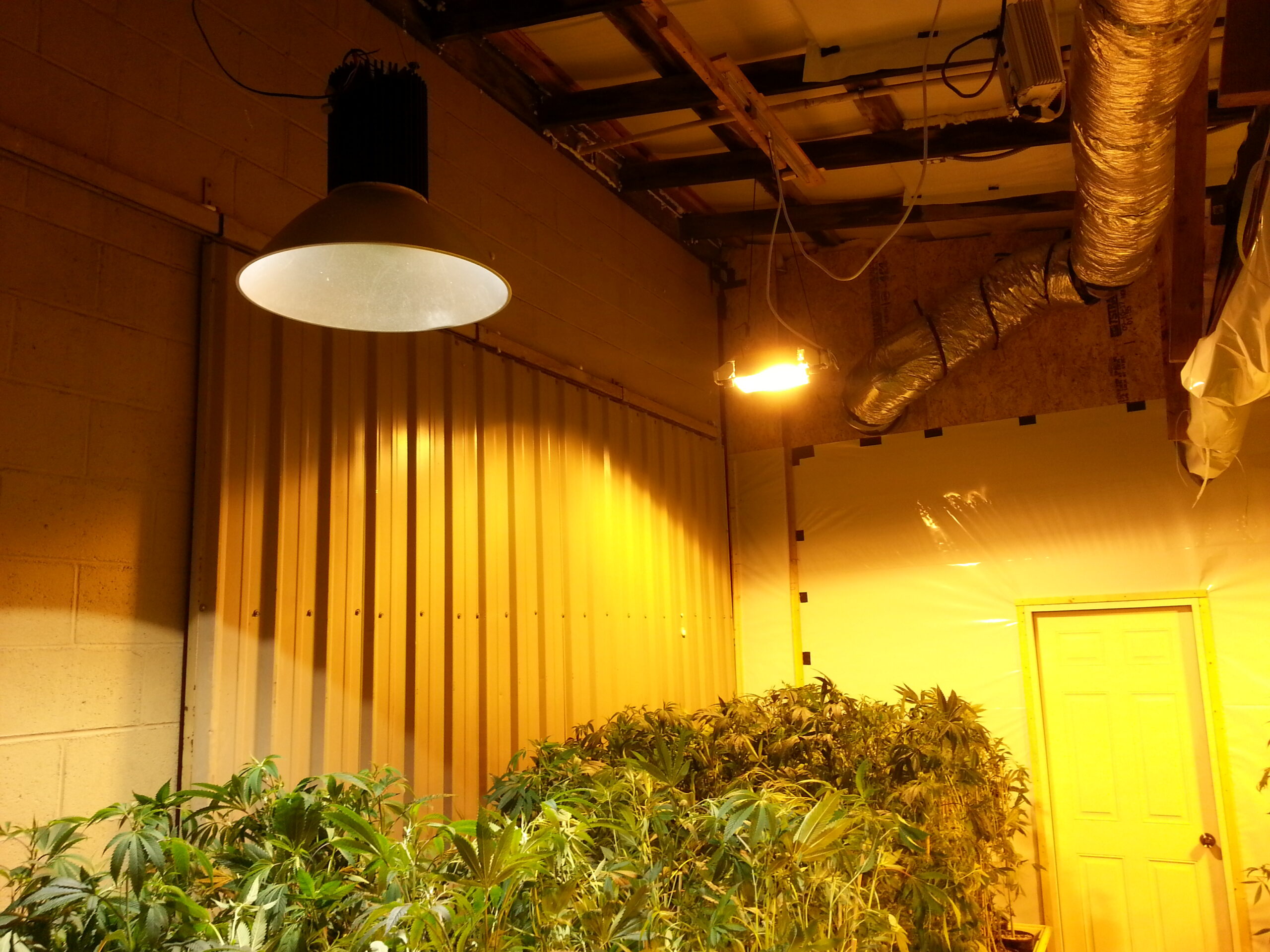
The warehouse was in Arcata, and it was disgusting. Biodiesel residue, bird waste, years of grime. Before a single plant went in, he was there before and after NHS shifts — pressure washing floors, running electrical, framing rooms, hanging lights. Built it the way he built everything: himself, from scratch, around whatever schedule life demanded.
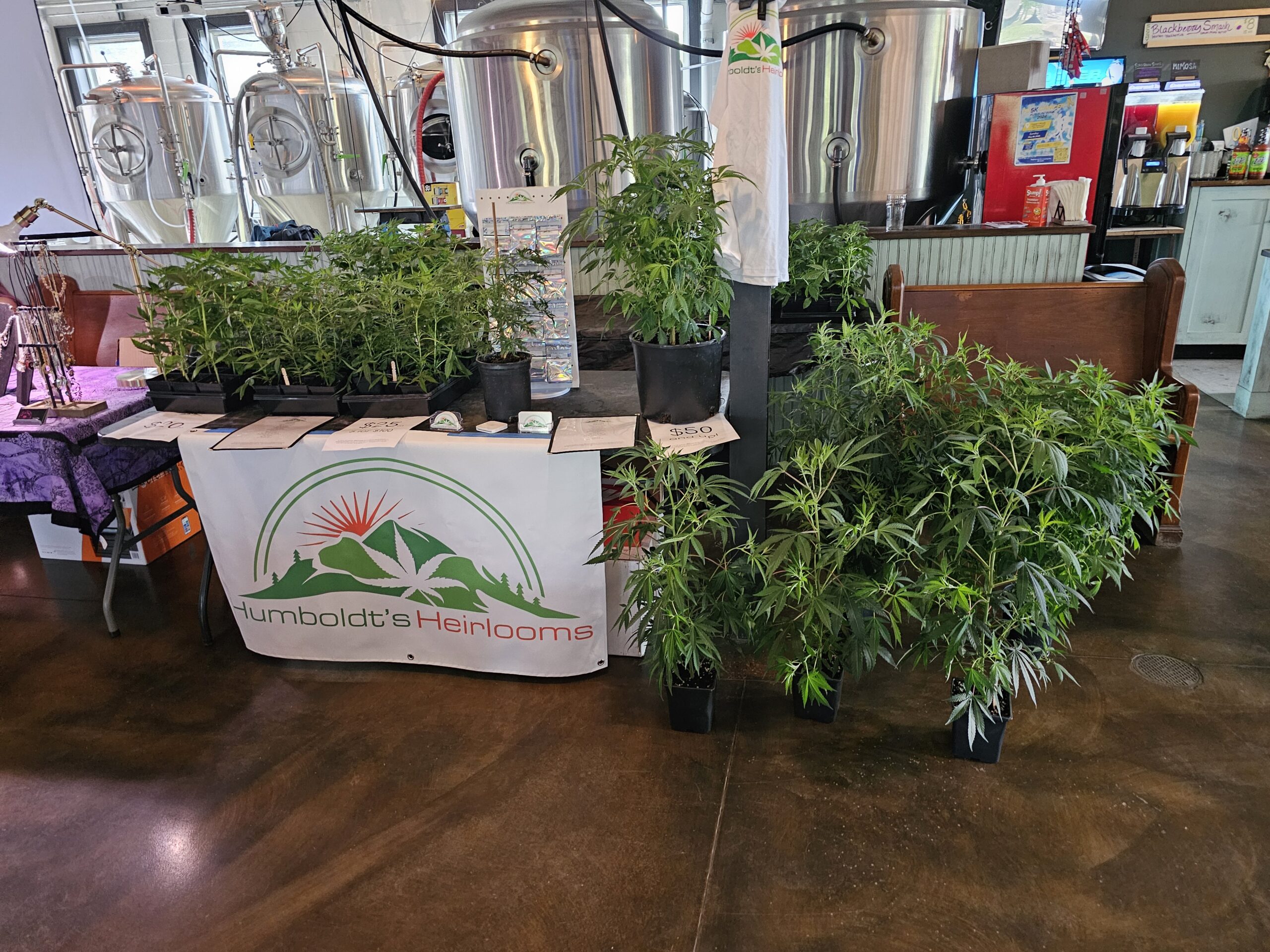
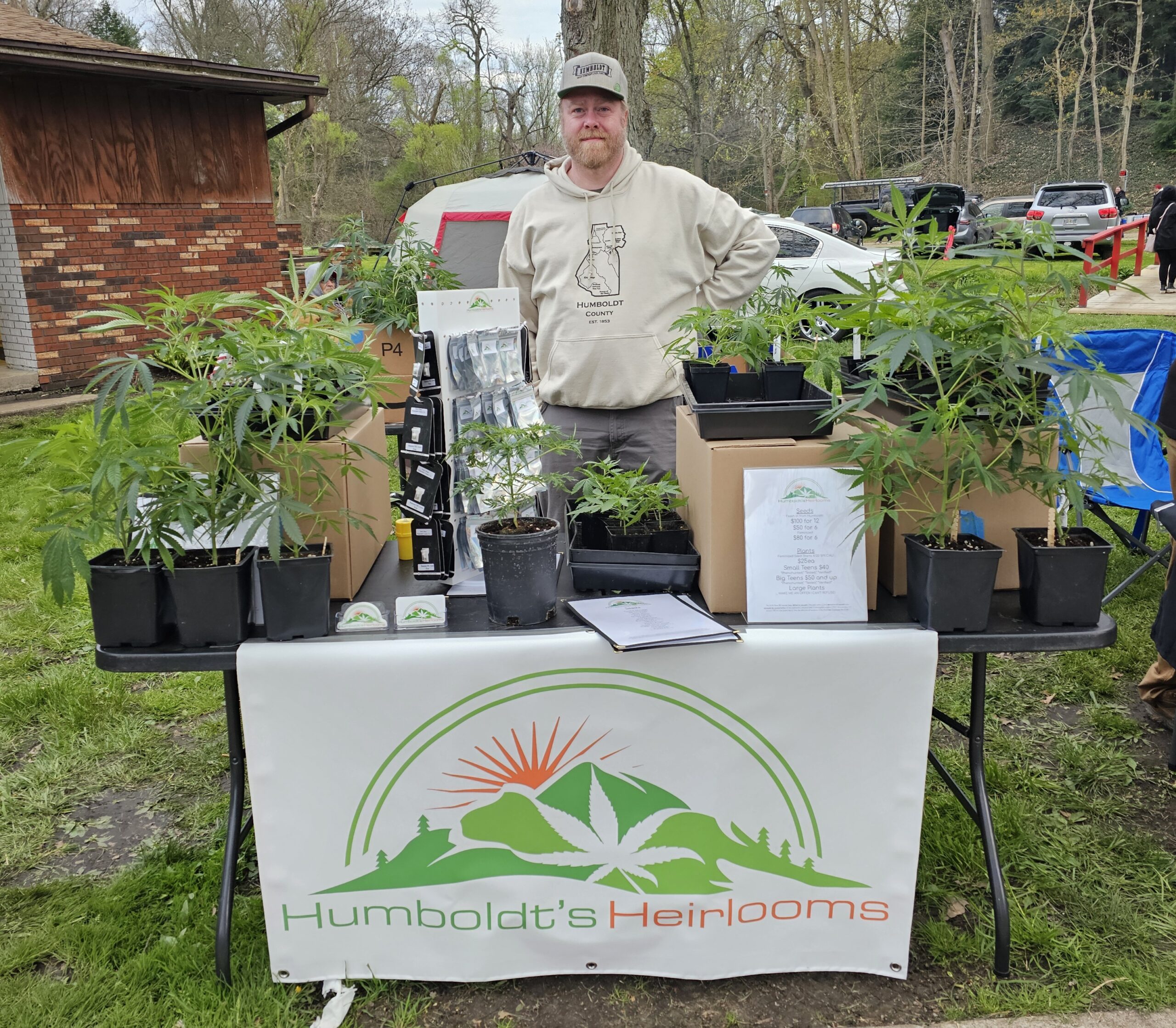
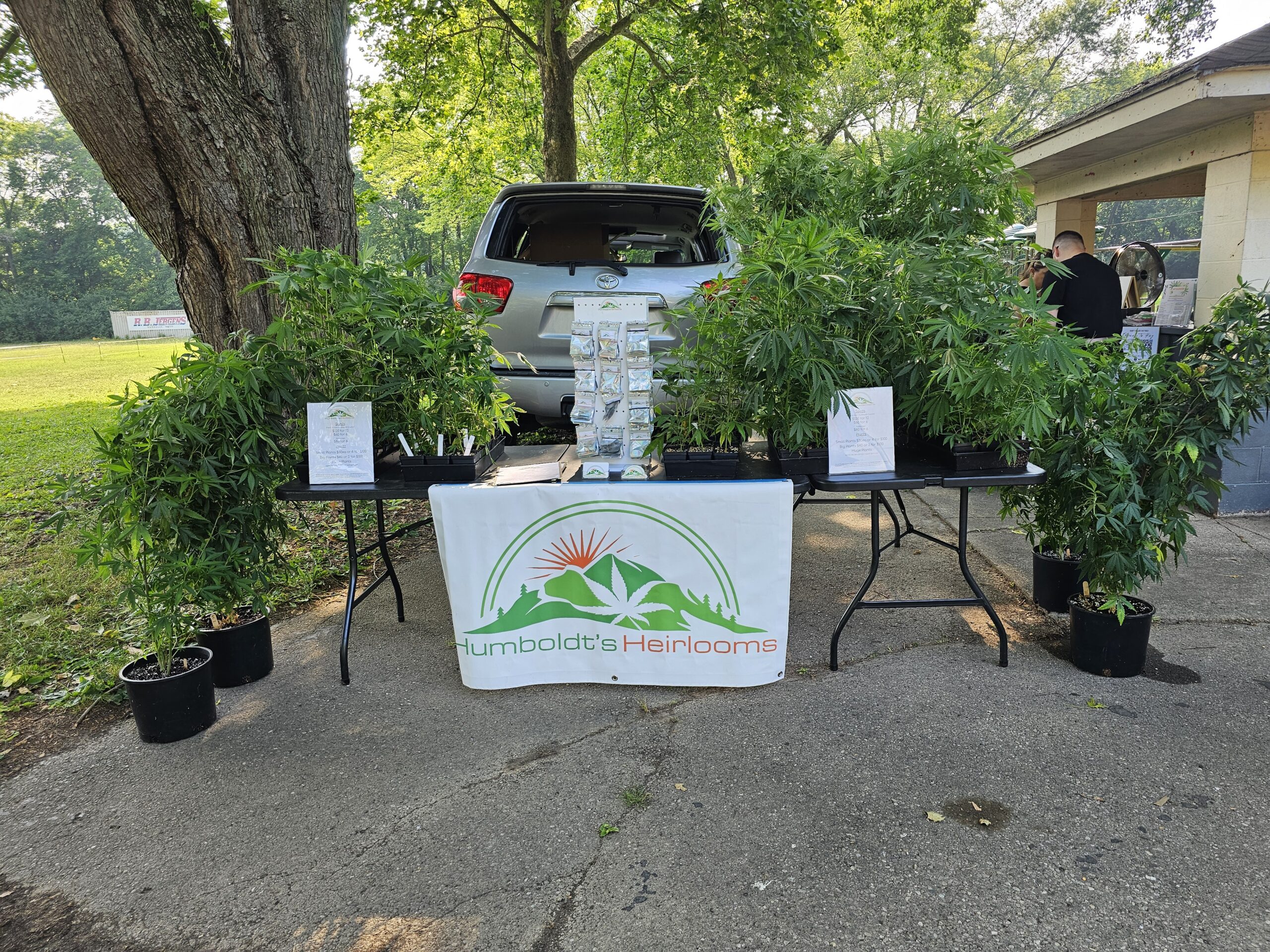
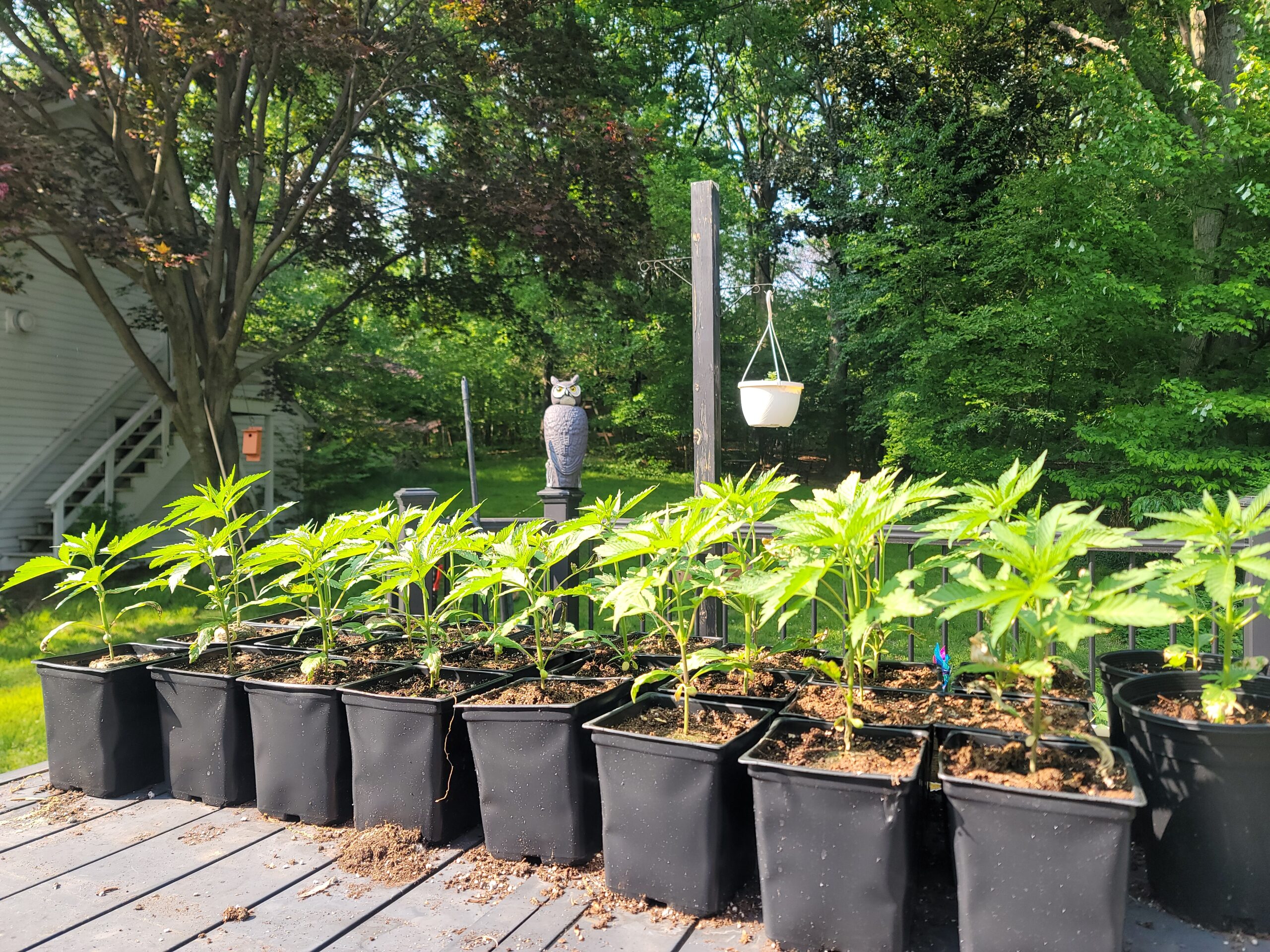
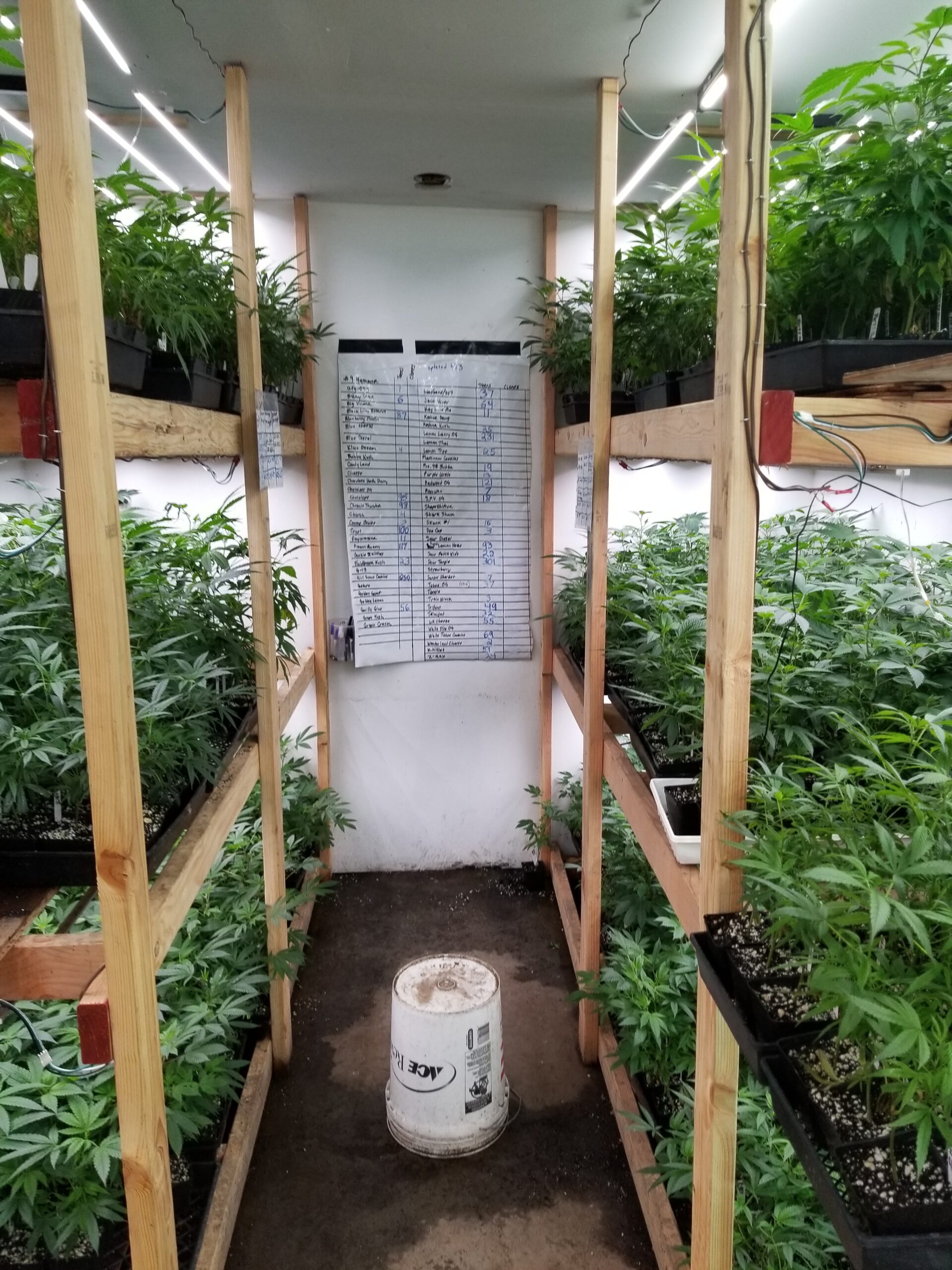
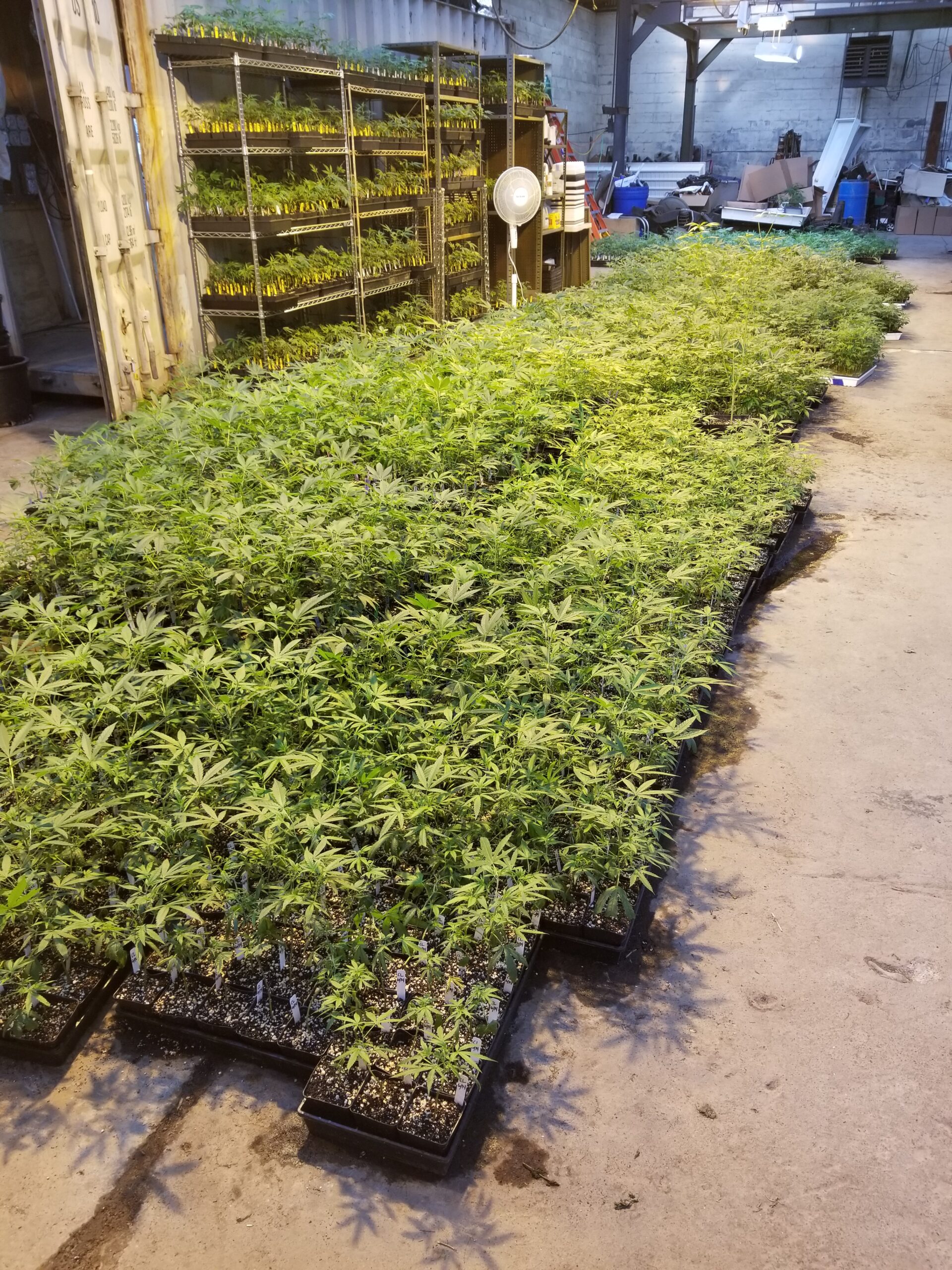
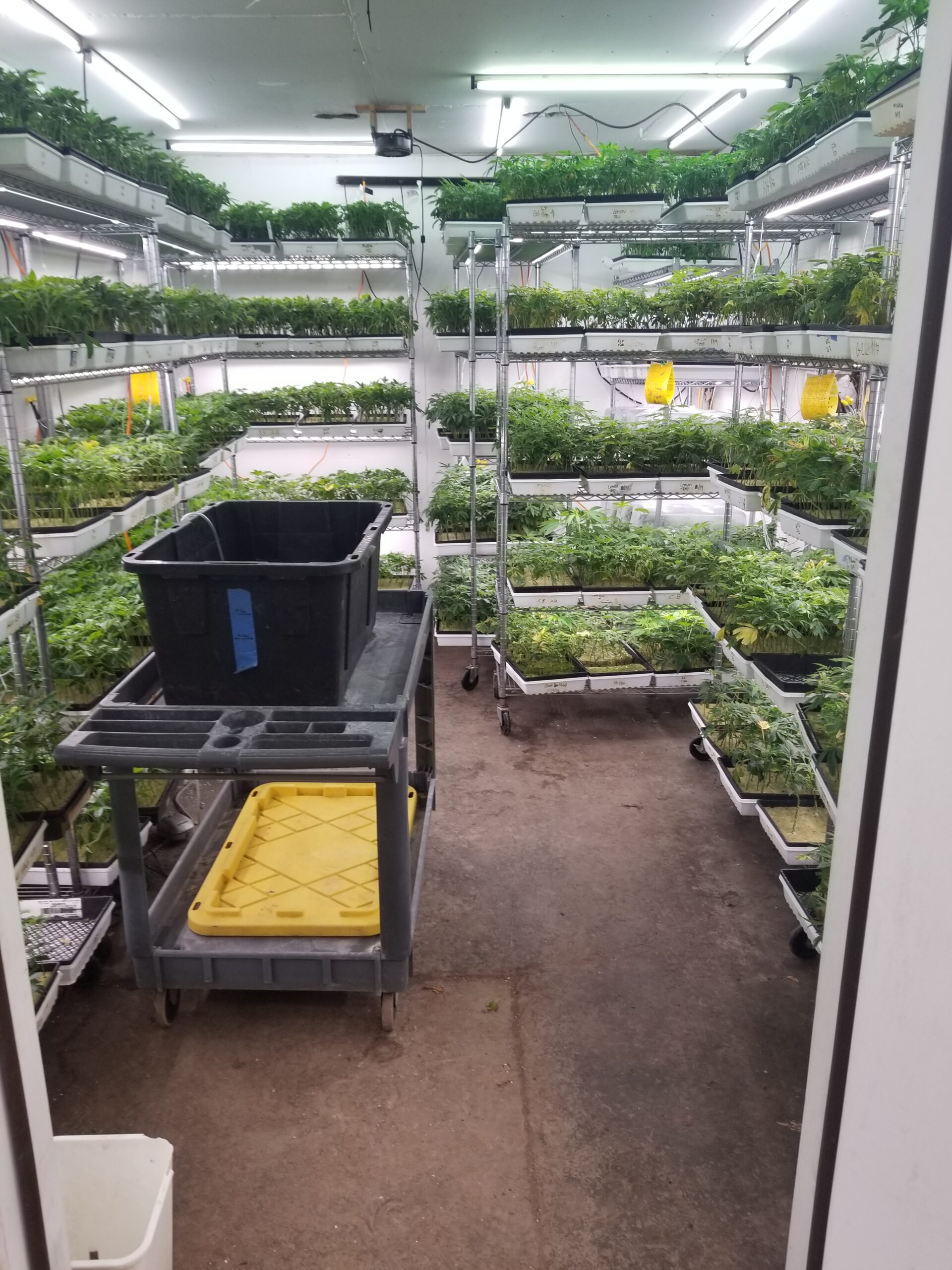
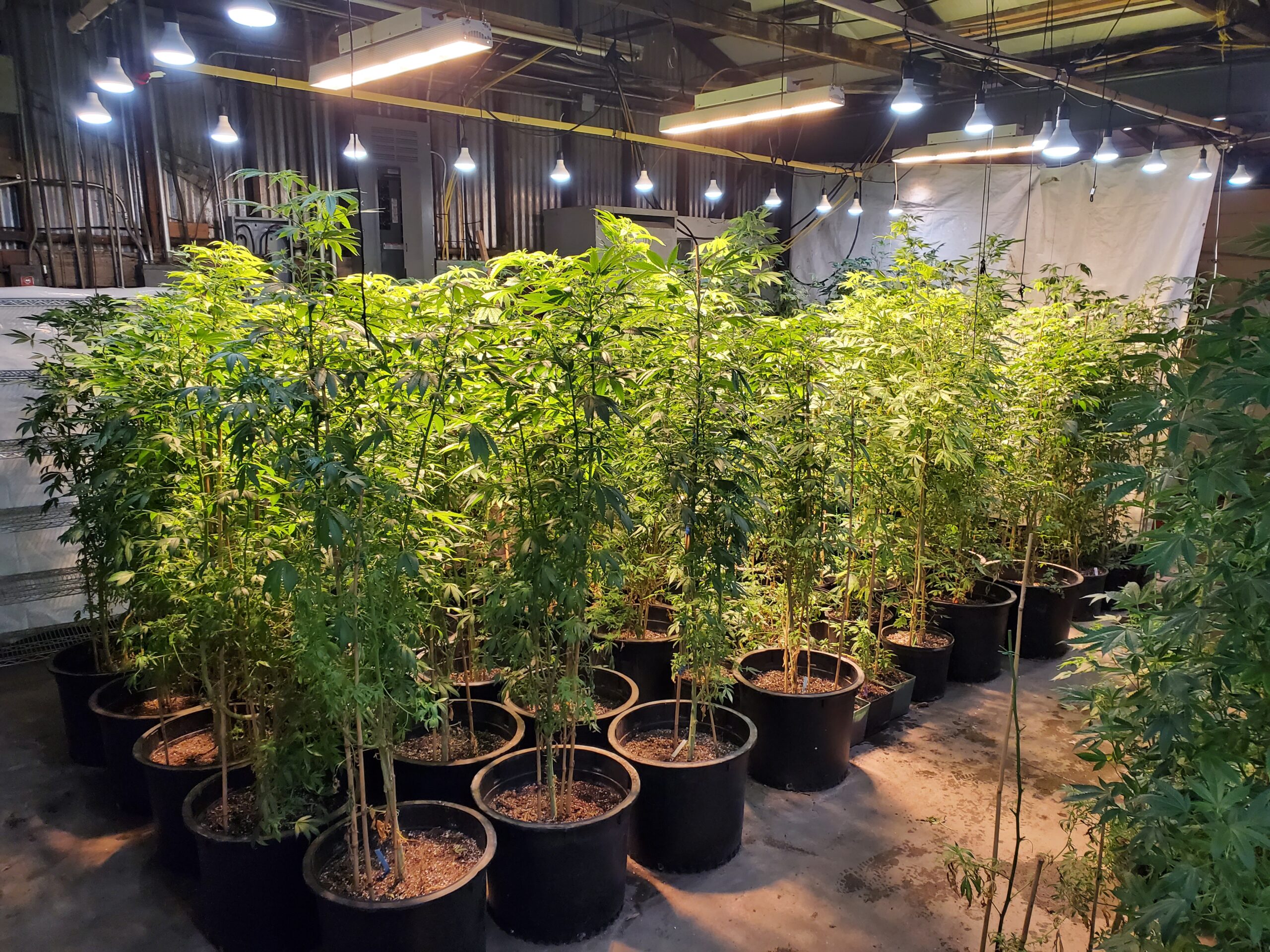
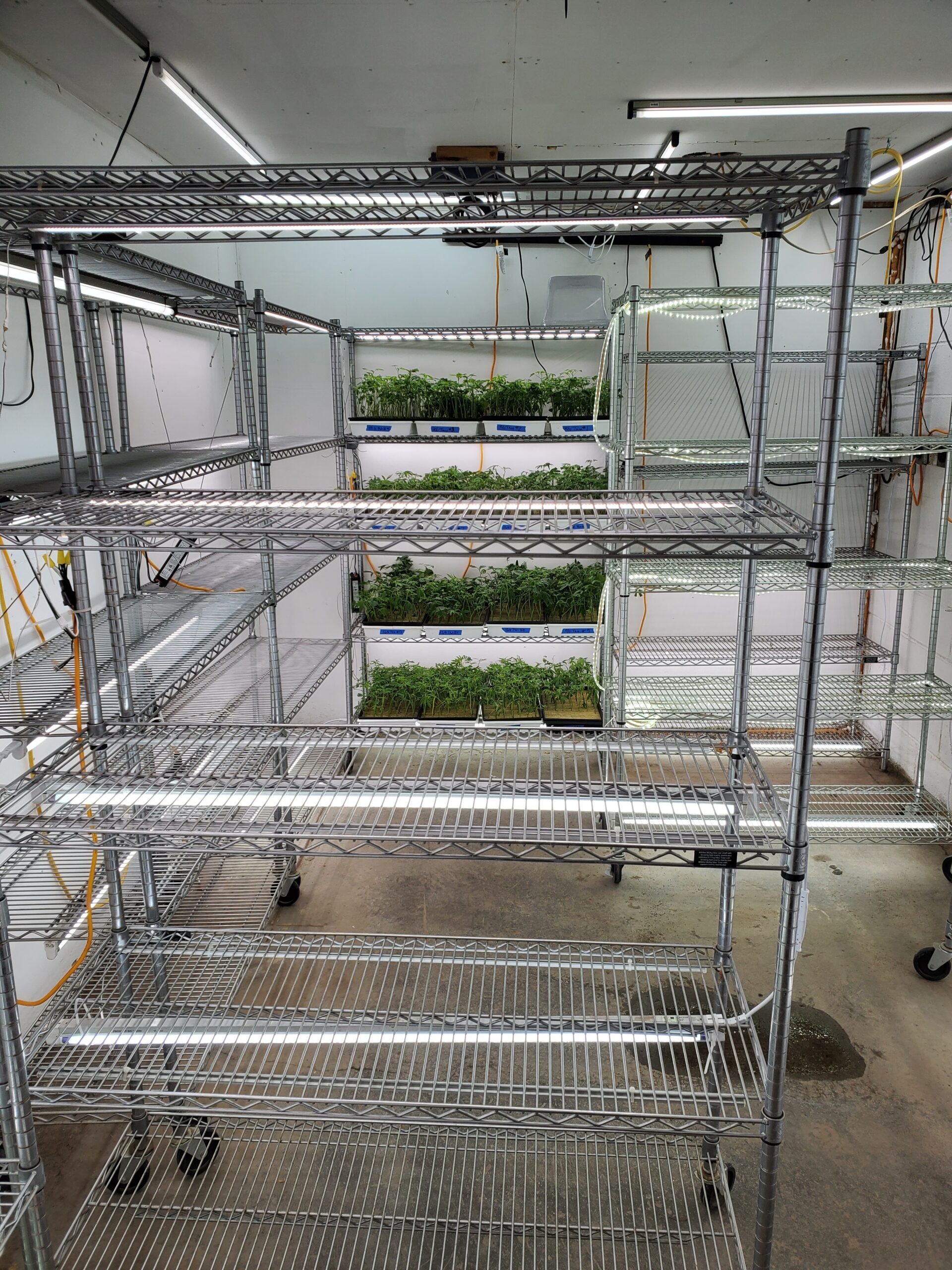
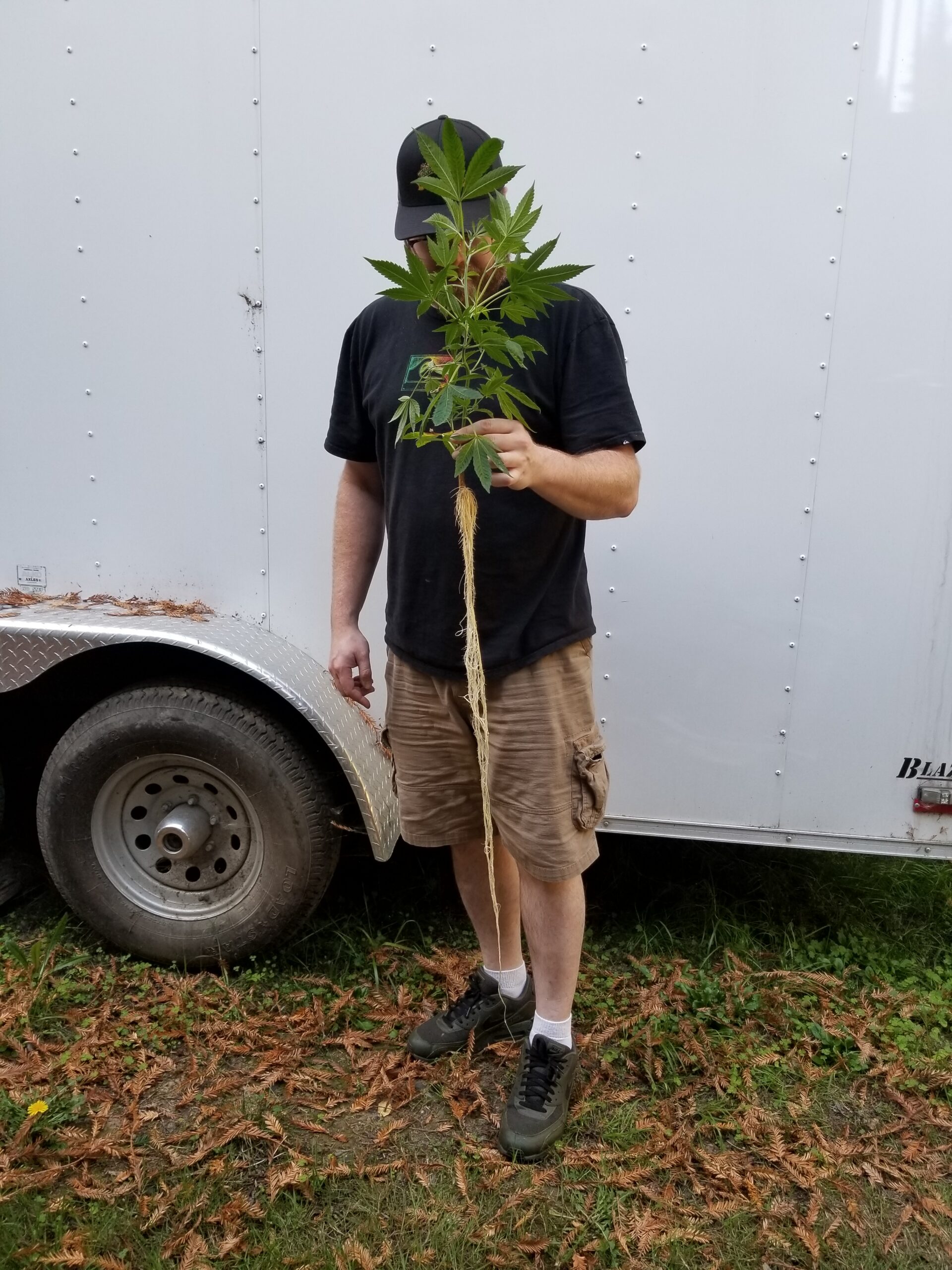
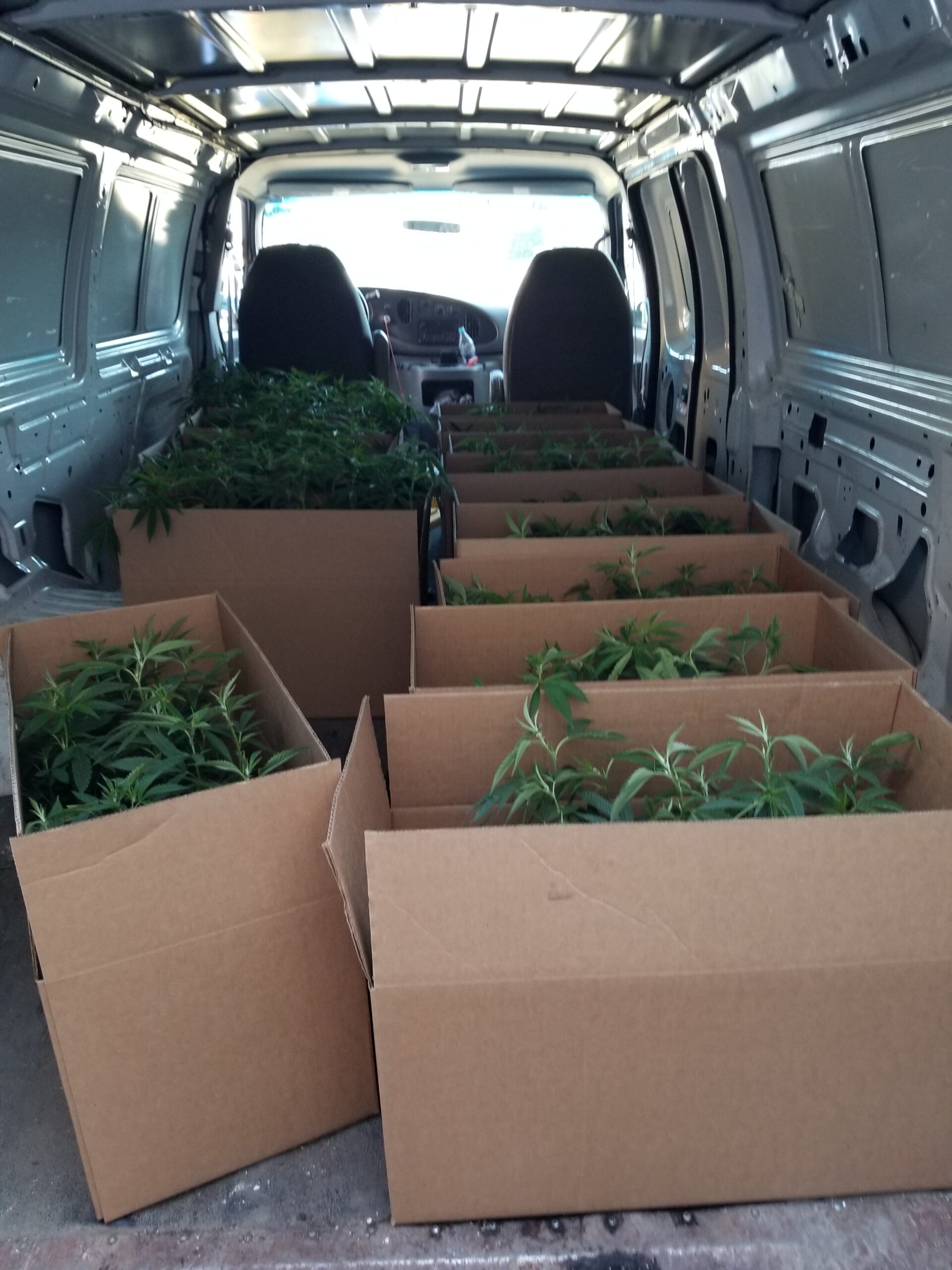
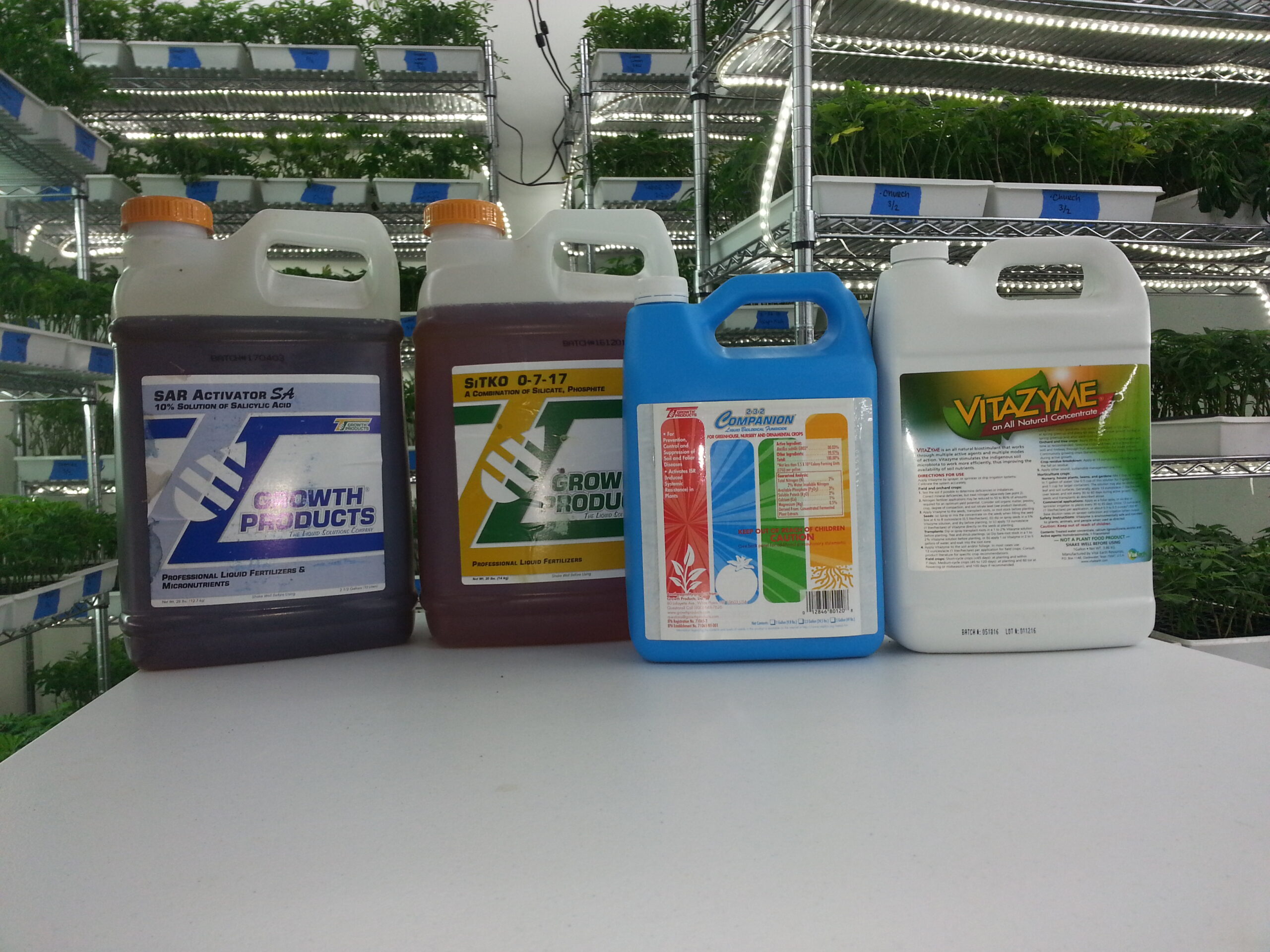
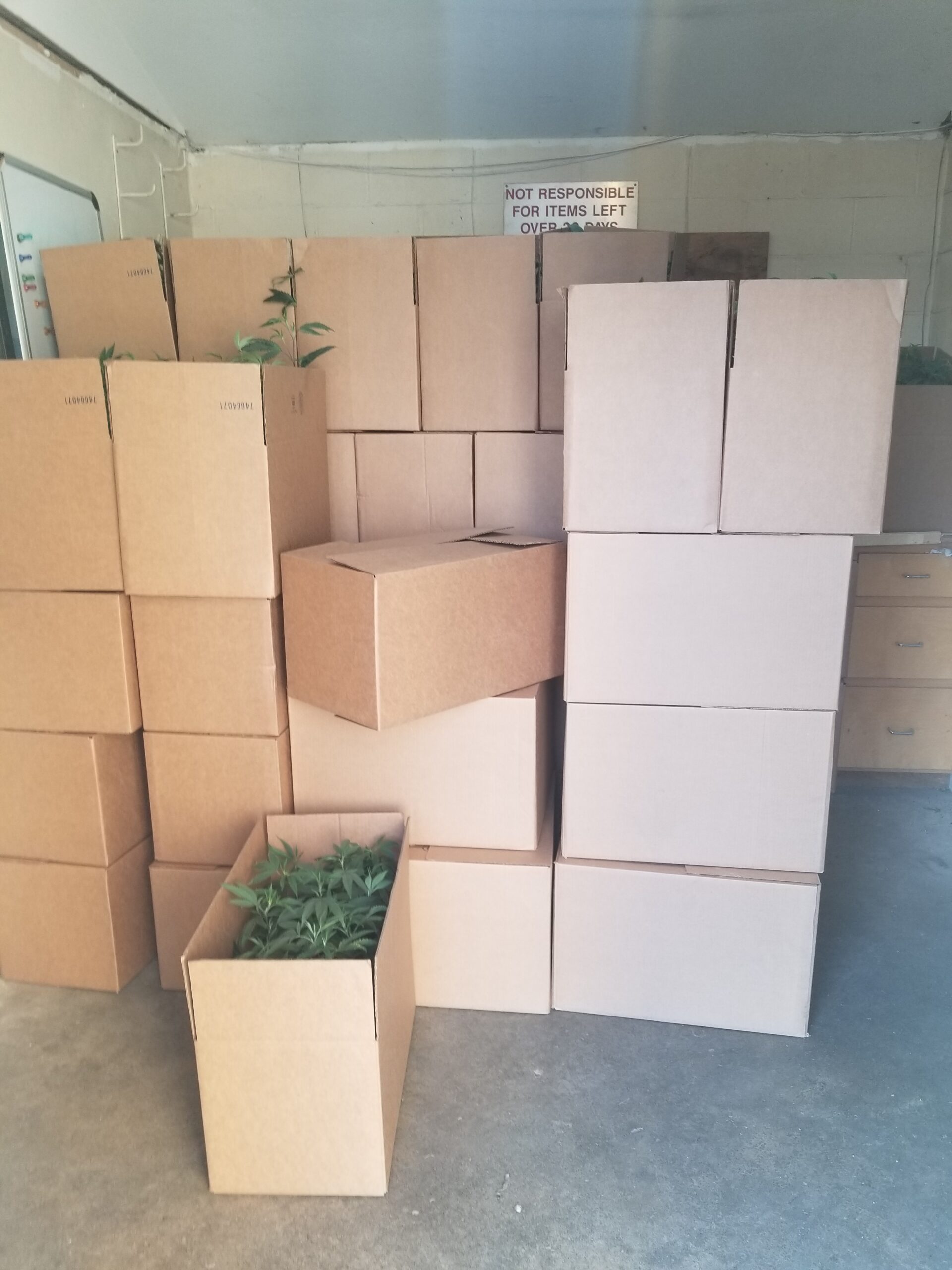
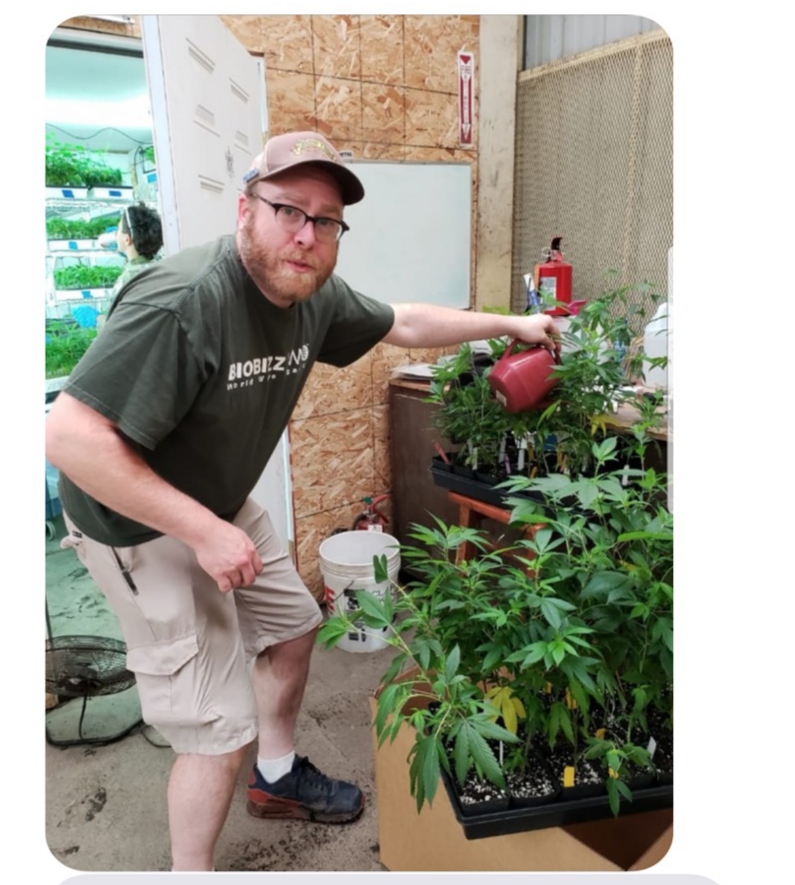
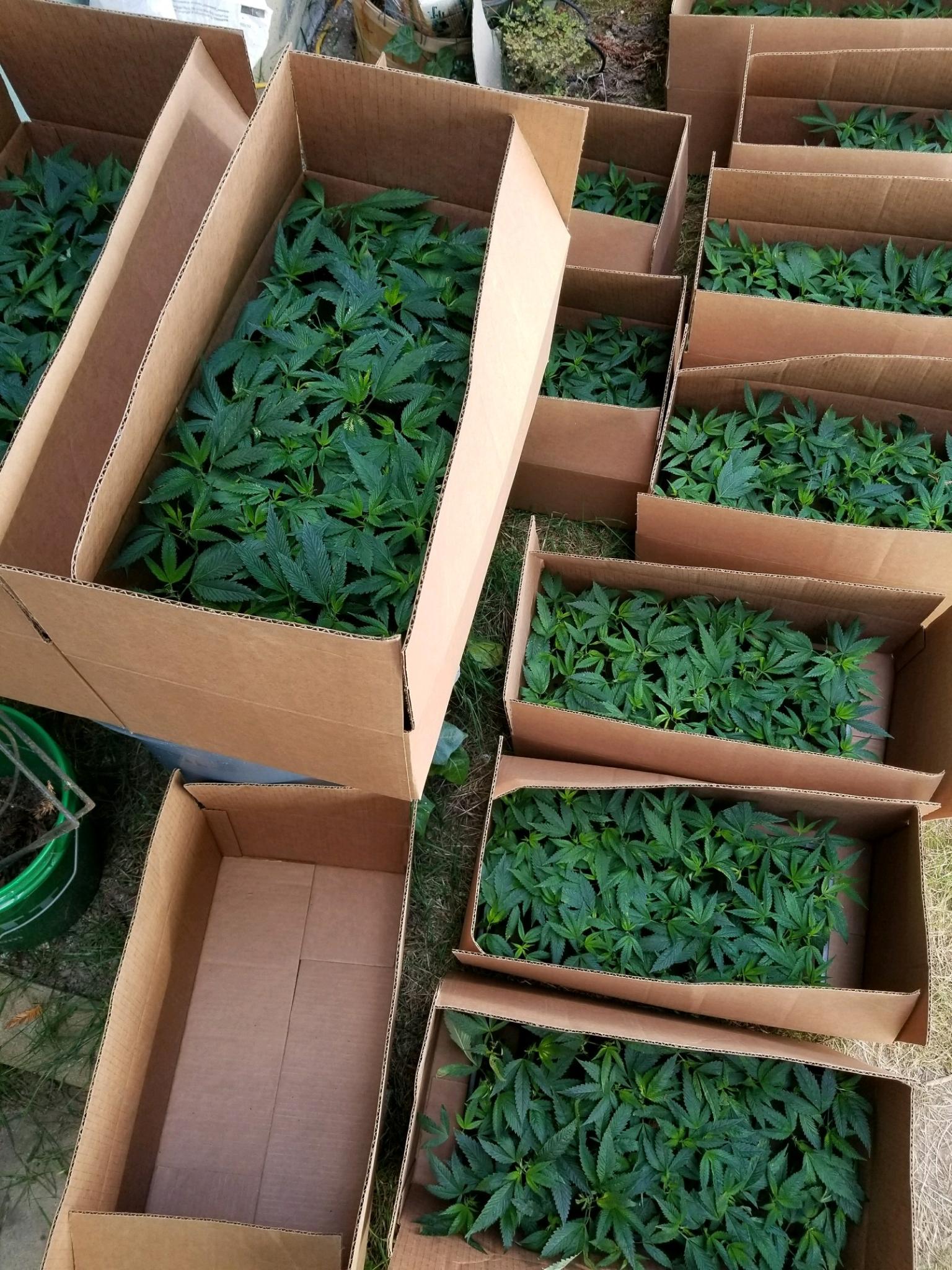
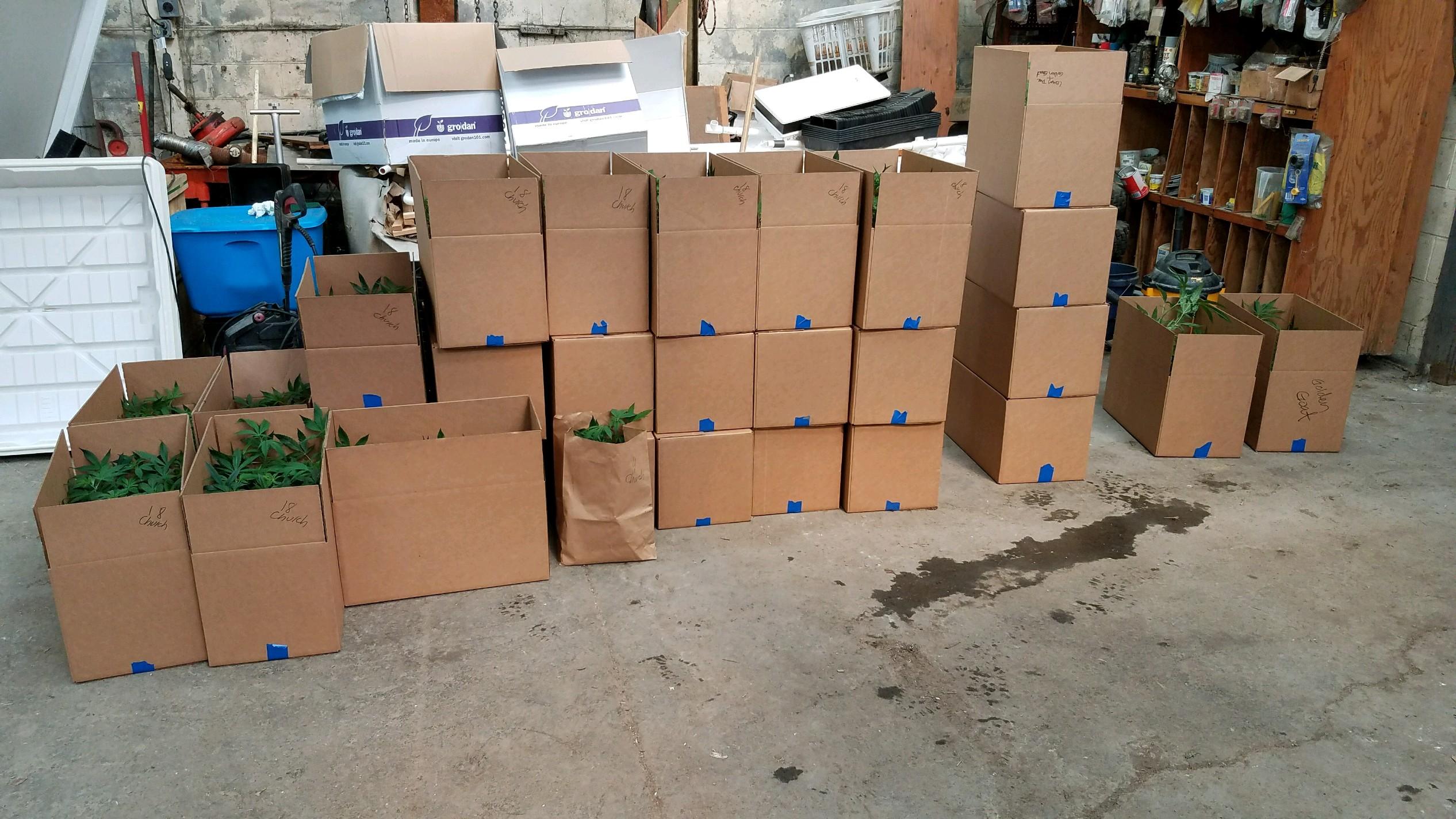
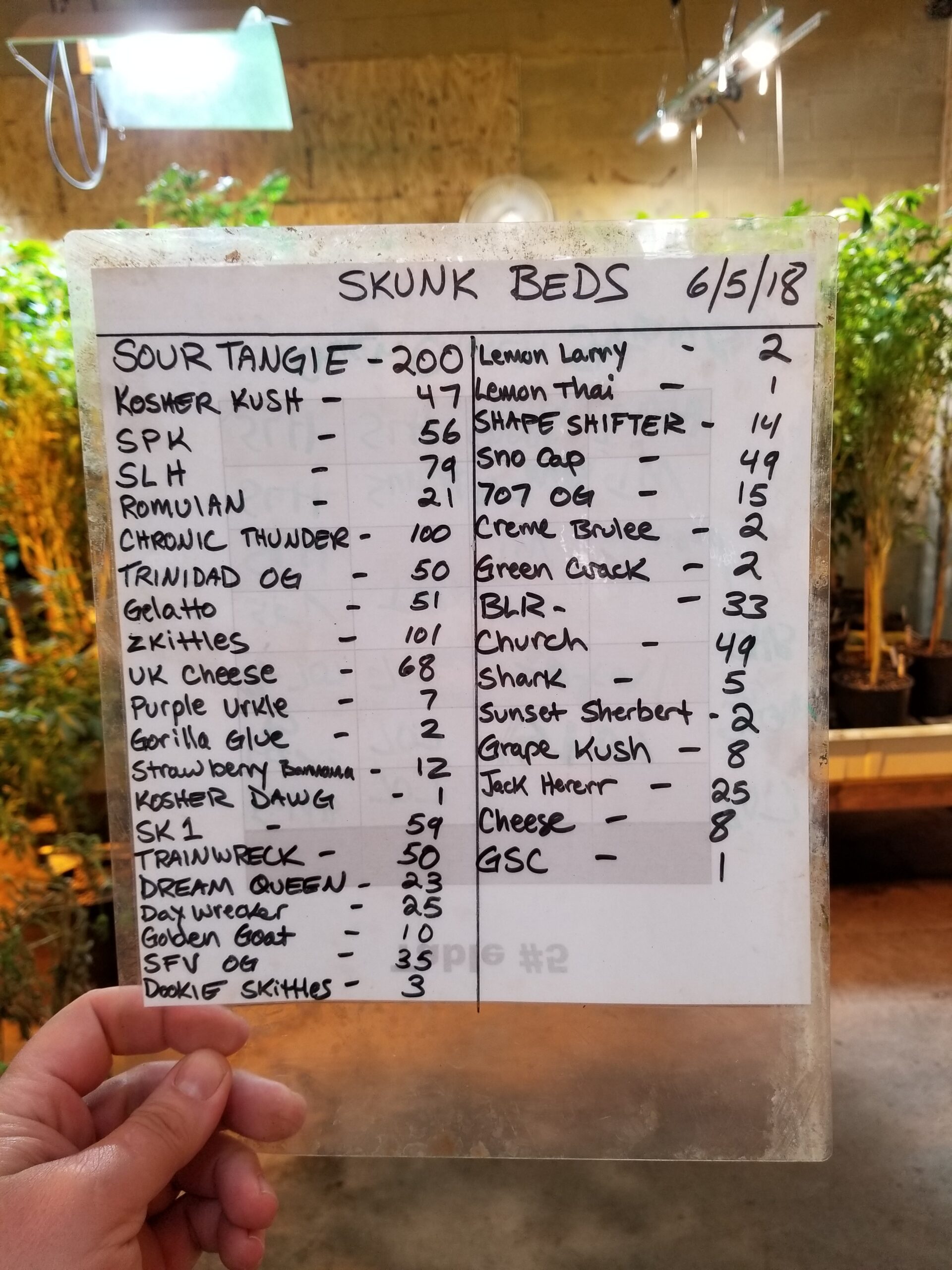
What grew out of that warehouse became Humboldt’s Heirlooms. At peak season the nursery carried up to 10,000 rooted, market-ready units on hand — backed by 24 dedicated clone racks running 1,000 cuttings each, with separate teen rooms beyond that. Two delivery vans. Up to a dozen staff across production, logistics, and fulfillment. A full propagation pipeline running at commercial scale.
The operation ran weekly inventory. Mothers were vetted. Genetics were sourced from people who had been working the same lines for decades — legacy Southern Humboldt breeders whose names you wouldn’t find on a label. That provenance is what the name carries.
The card that made all this possible.
Takilma,
Oregon.
Southern Oregon · 2019
5-acre ranch
100+ plants
Legacy holes
Amended plots
Fertigated row crops
One full season
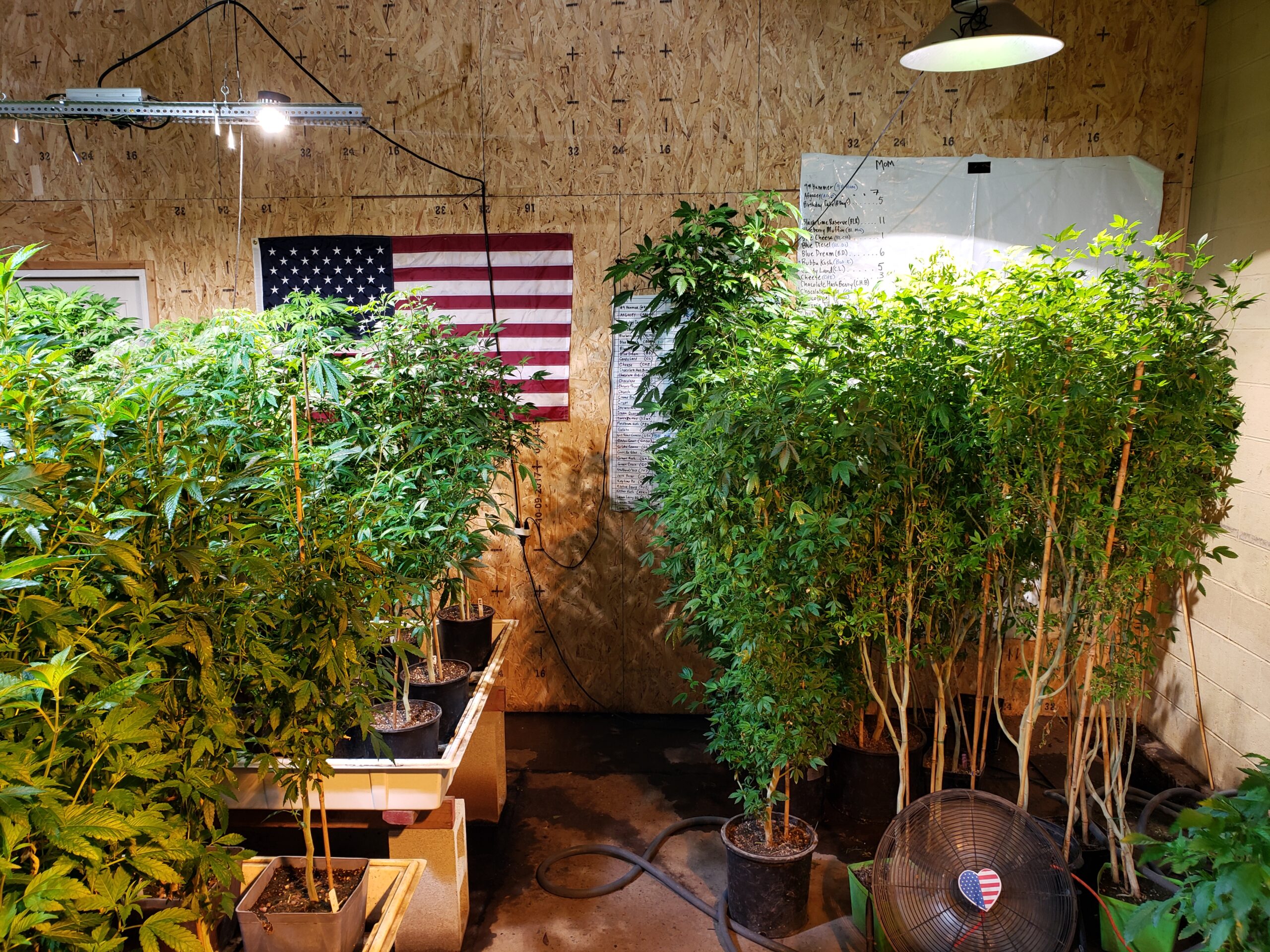
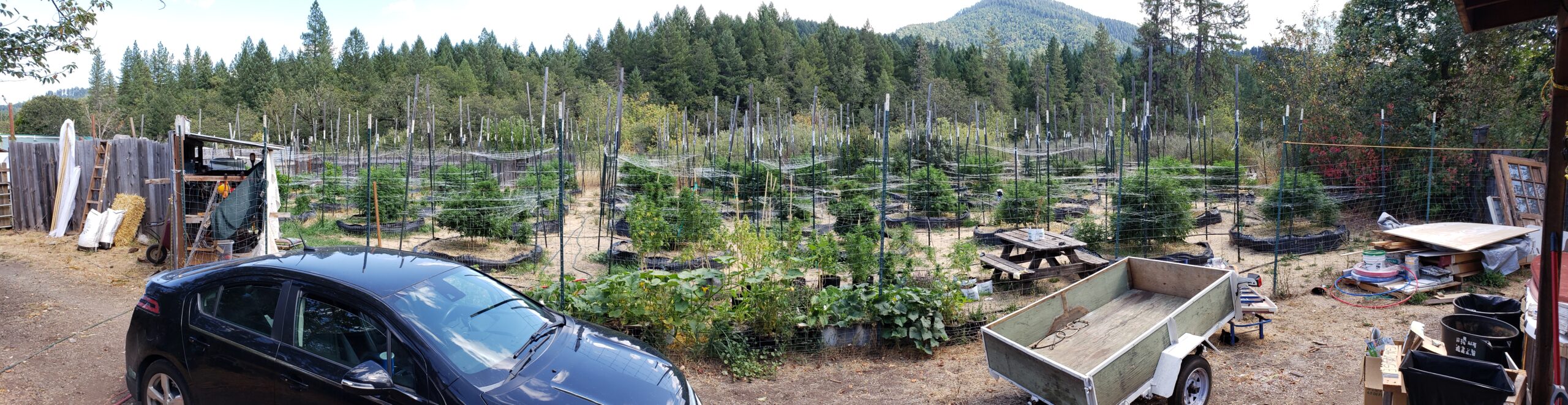
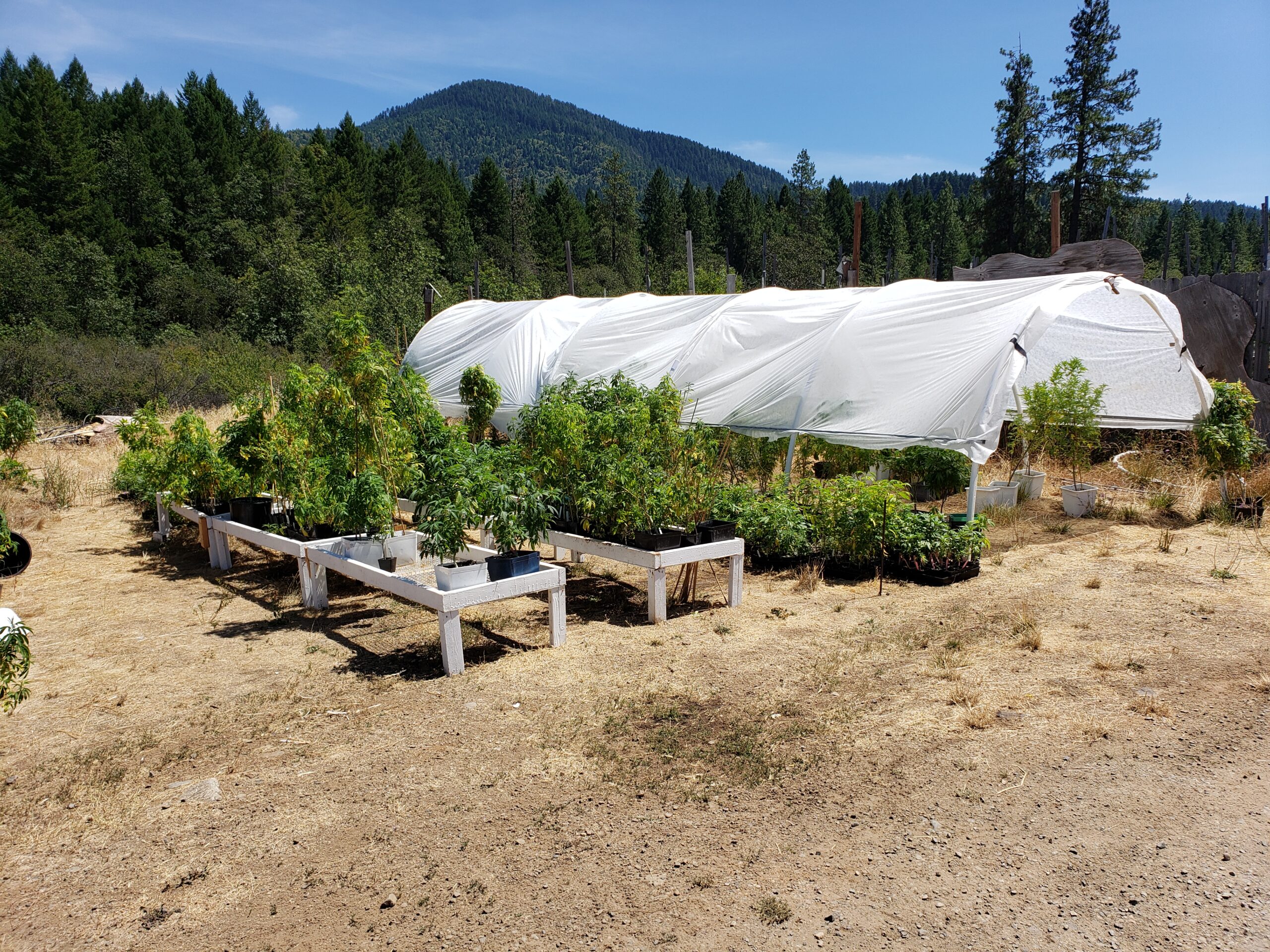
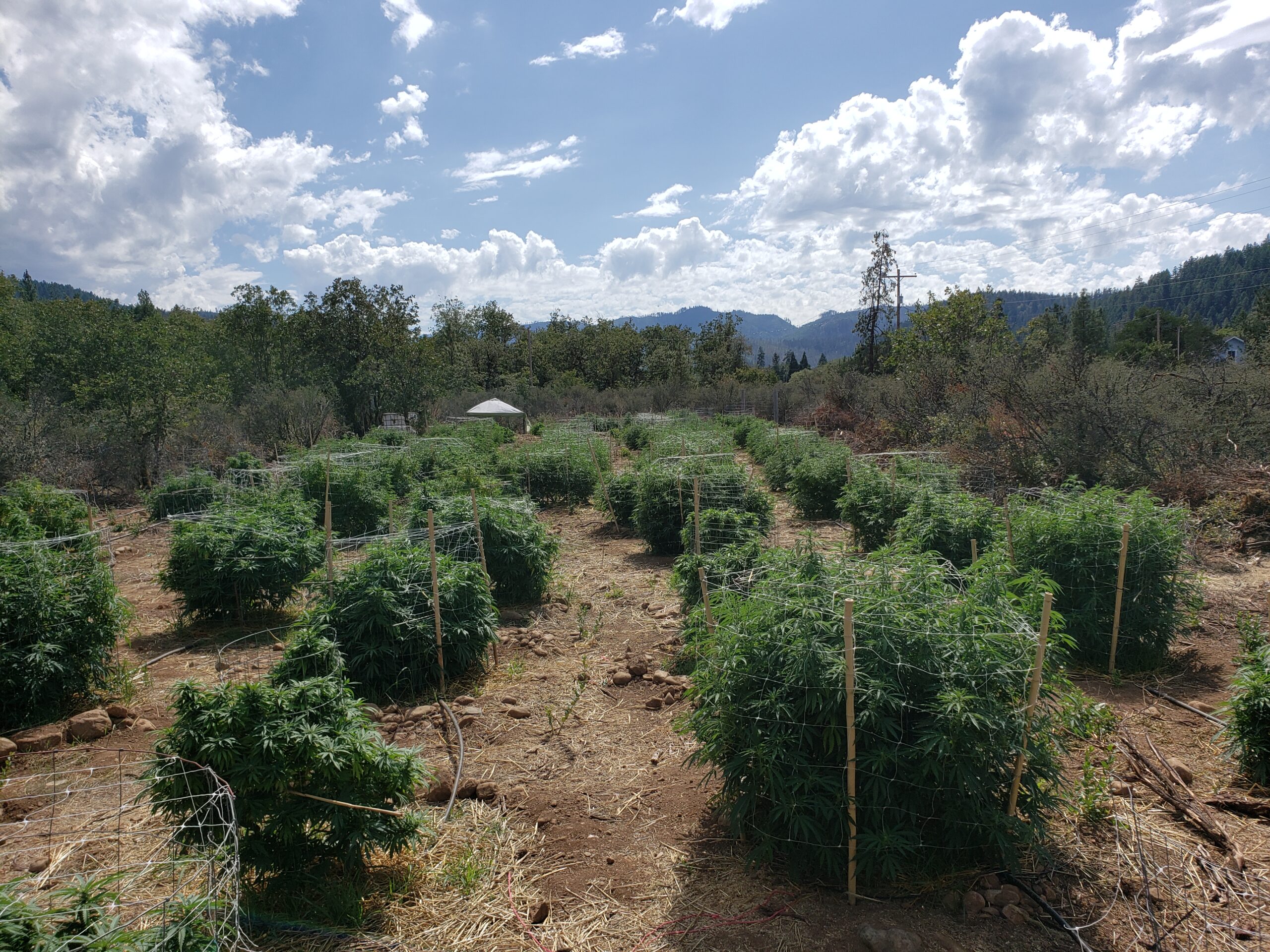
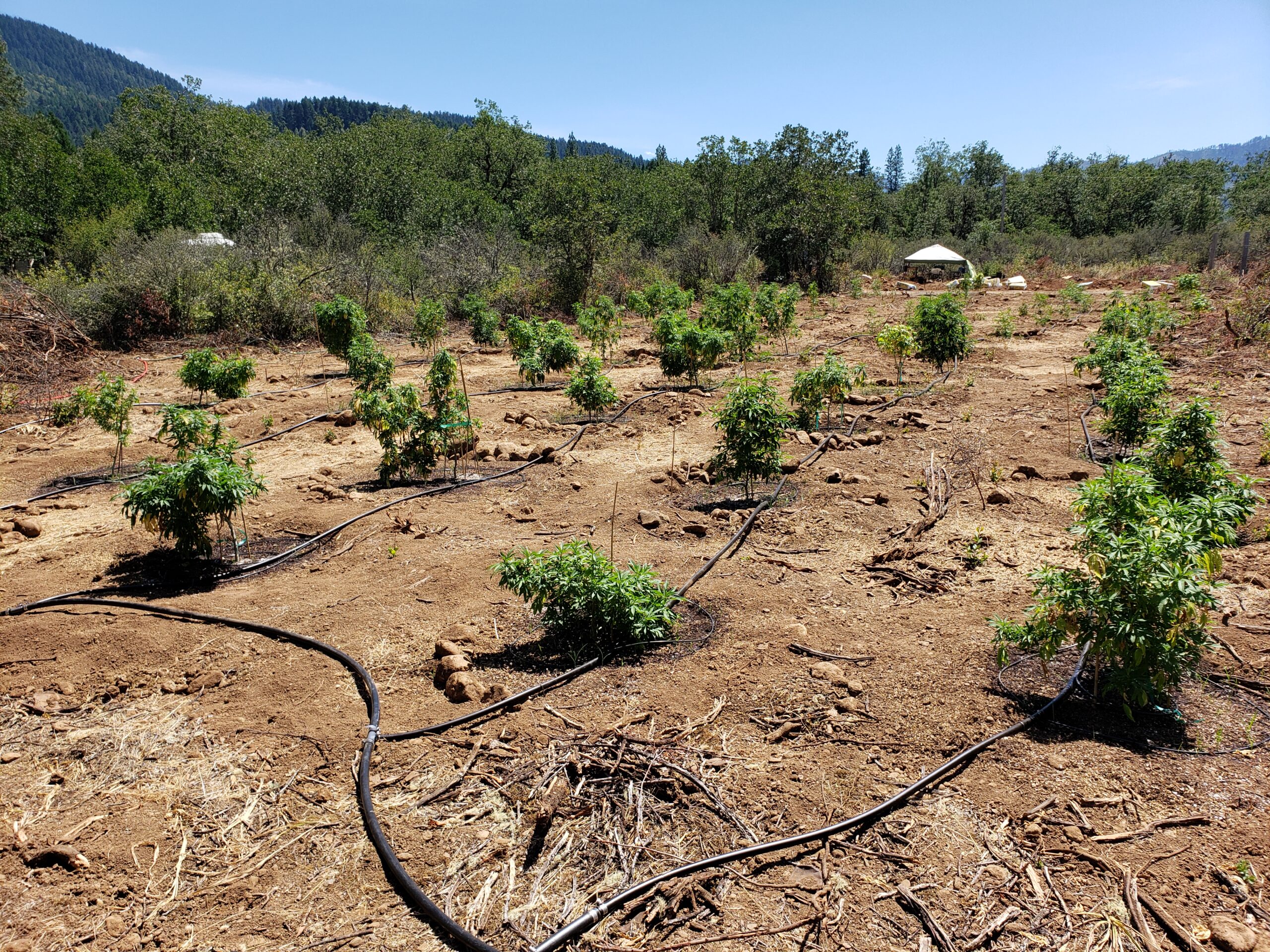
The Oregon chapter was a 5-acre ranch in the sunny Illinois Valley — Takilma, a legacy enclave in Southern Oregon’s cannabis history. One full season. One hundred-plus plants across three distinct cultivation approaches: established legacy holes, newly built and amended plots developed from native soil, and fertigated row crops planted directly in unamended ground. Different crew, different state, different methodology — same standards.
Running two states simultaneously — Humboldt’s Heirlooms nursery operations in Arcata, full outdoor production in Takilma — while maintaining the Sales Manager position at NHS. At peak across both operations, upwards of 20 people across two states, two separate crews, two entirely different cultivation methodologies.
When 2021 market overproduction signaled the beginning of the price collapse, he recognized what he’d always kept in the back of his mind — that the Humboldt cannabis economy had been built on fragile, temporary conditions, and that legalization would eventually dismantle the foundations that made it possible. He wound down operations, liquidated his remaining business assets, and exited cleanly before the market finished collapsing around everyone else.
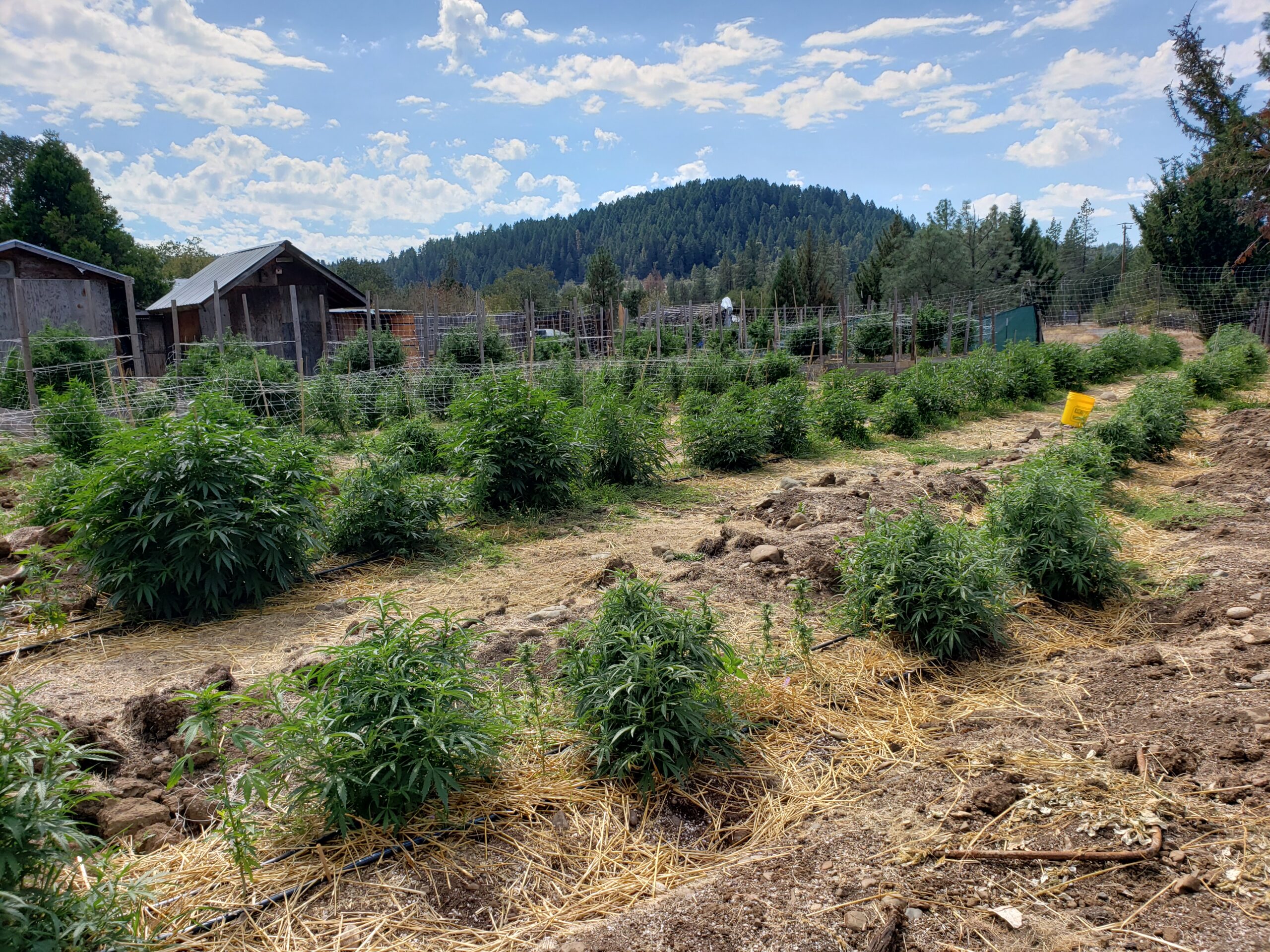
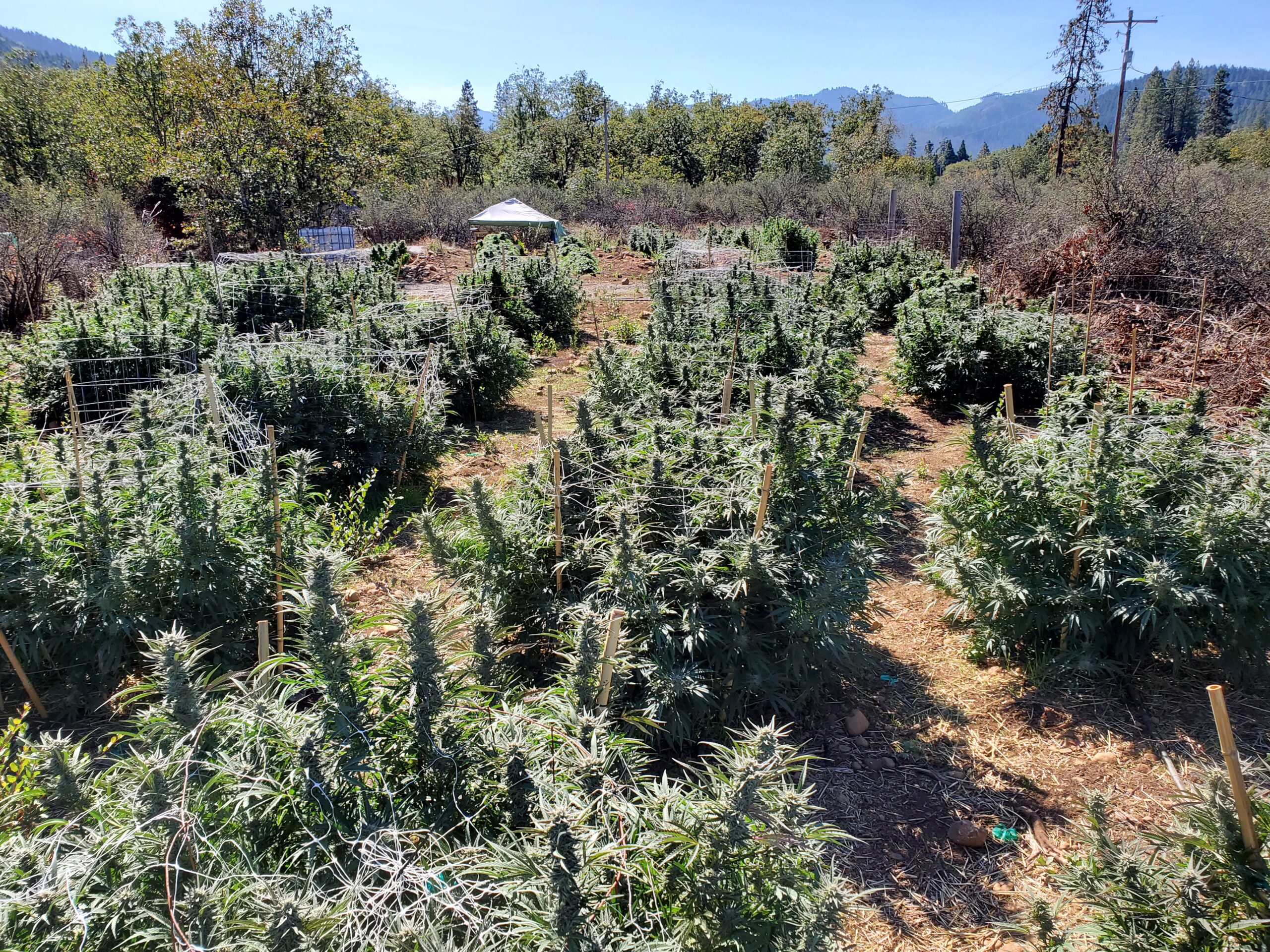
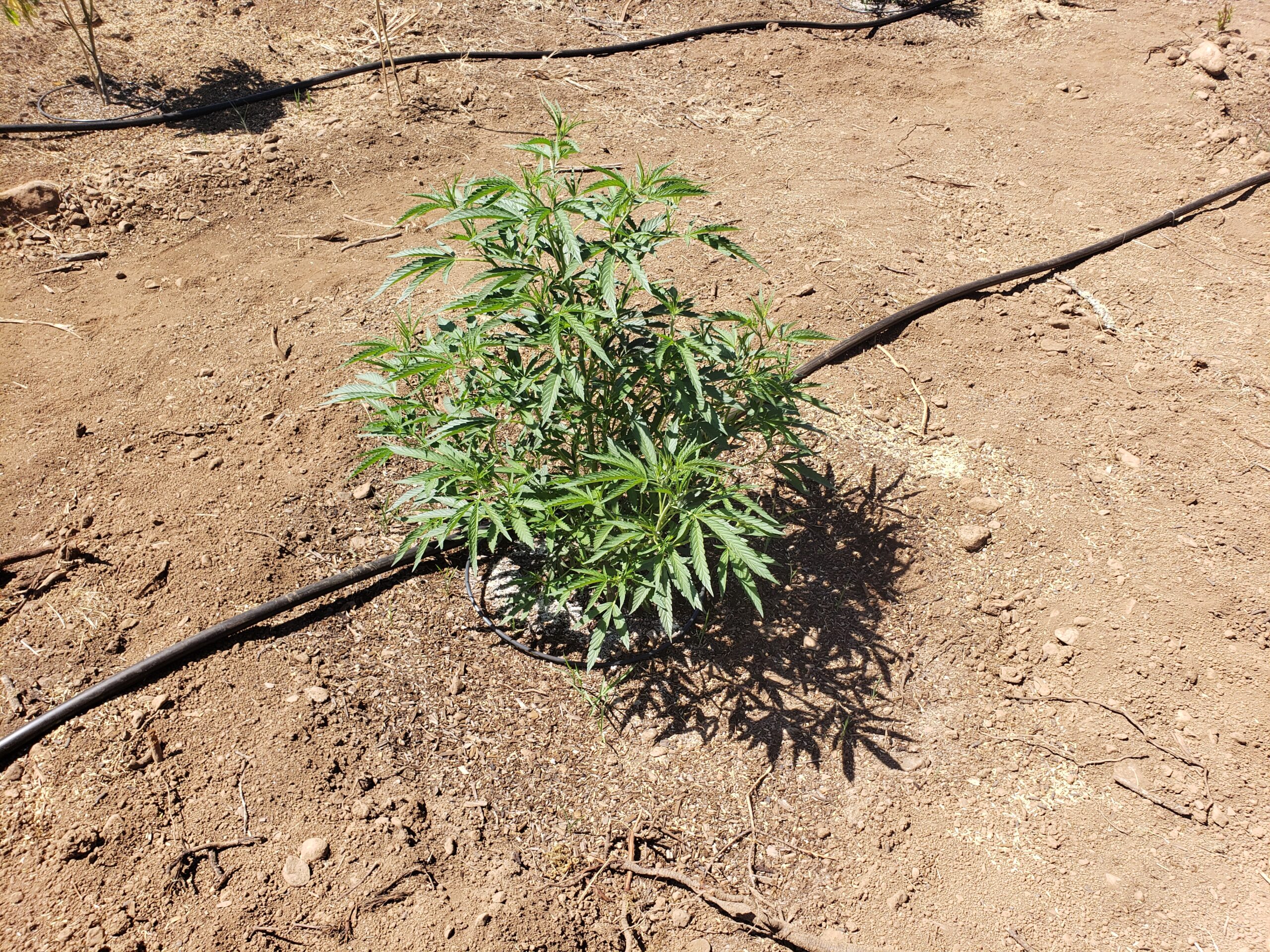
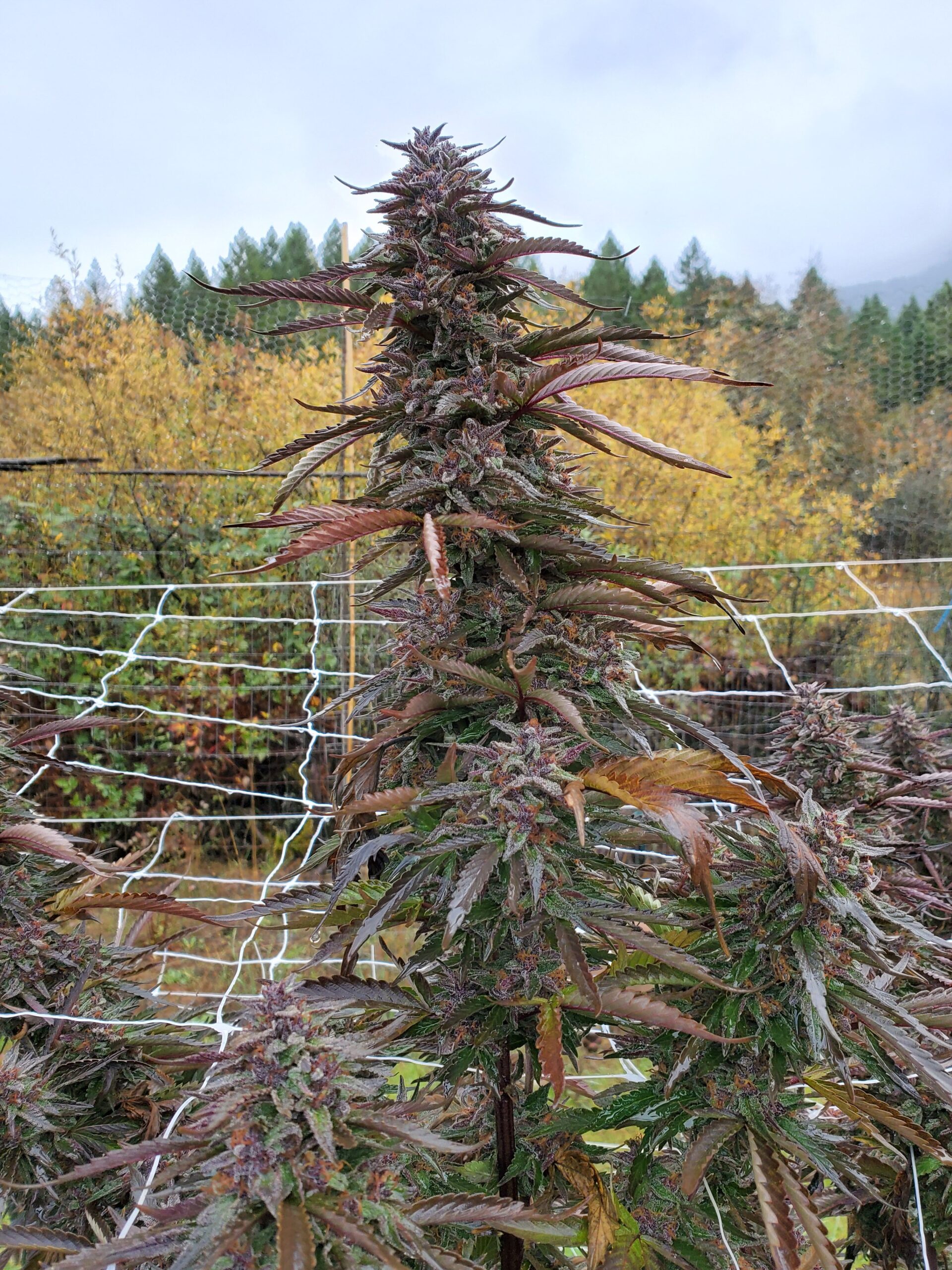
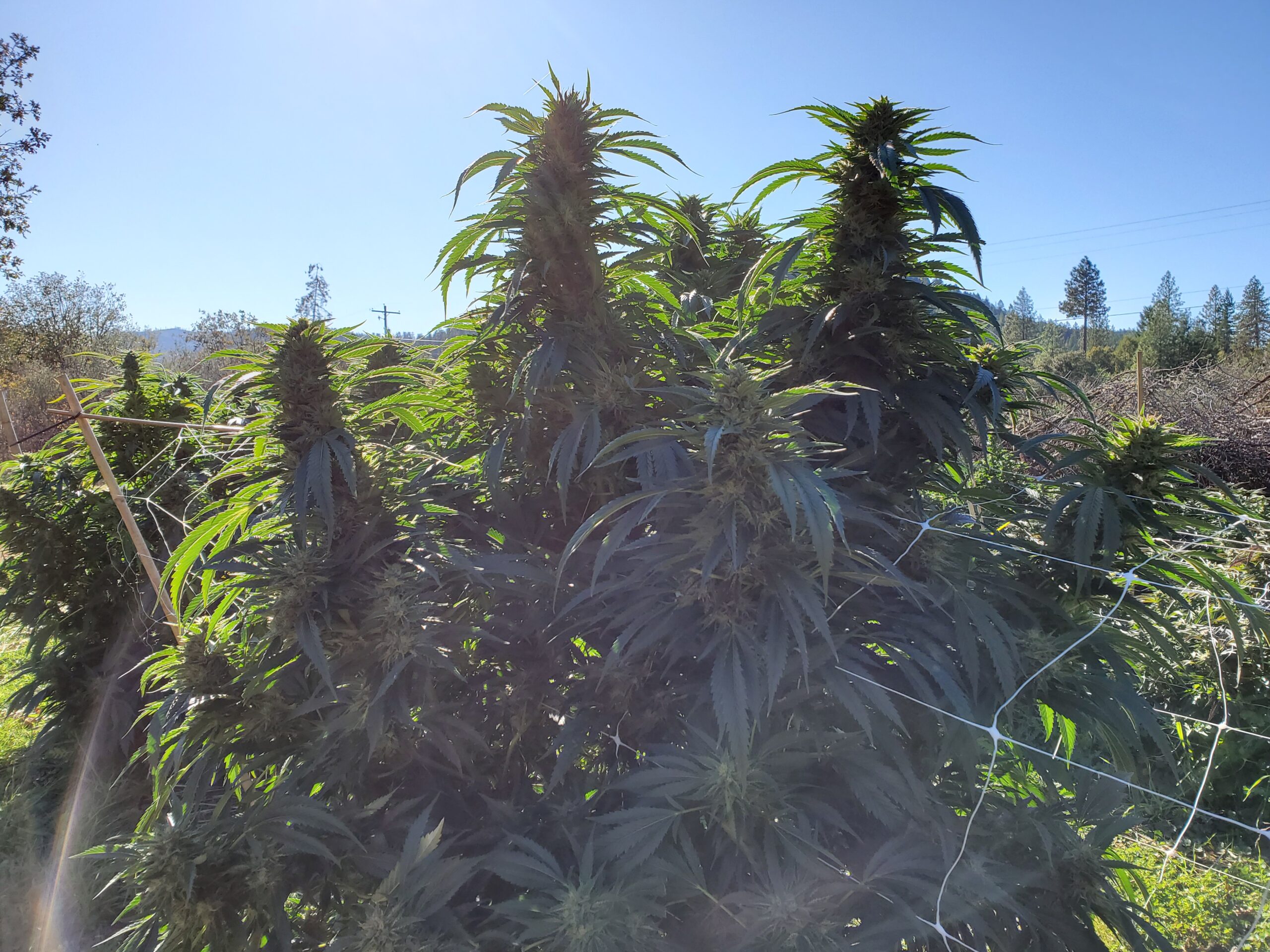
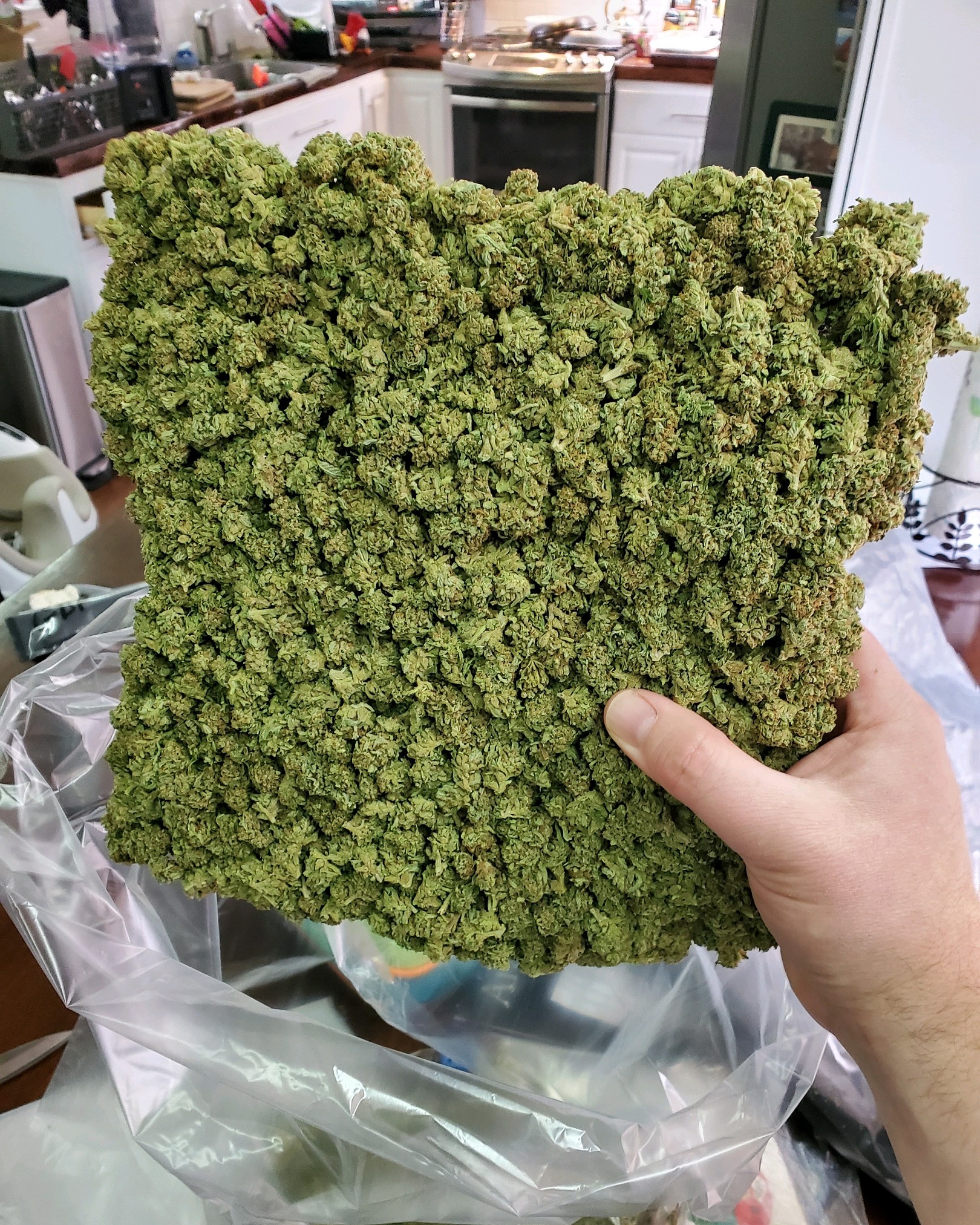
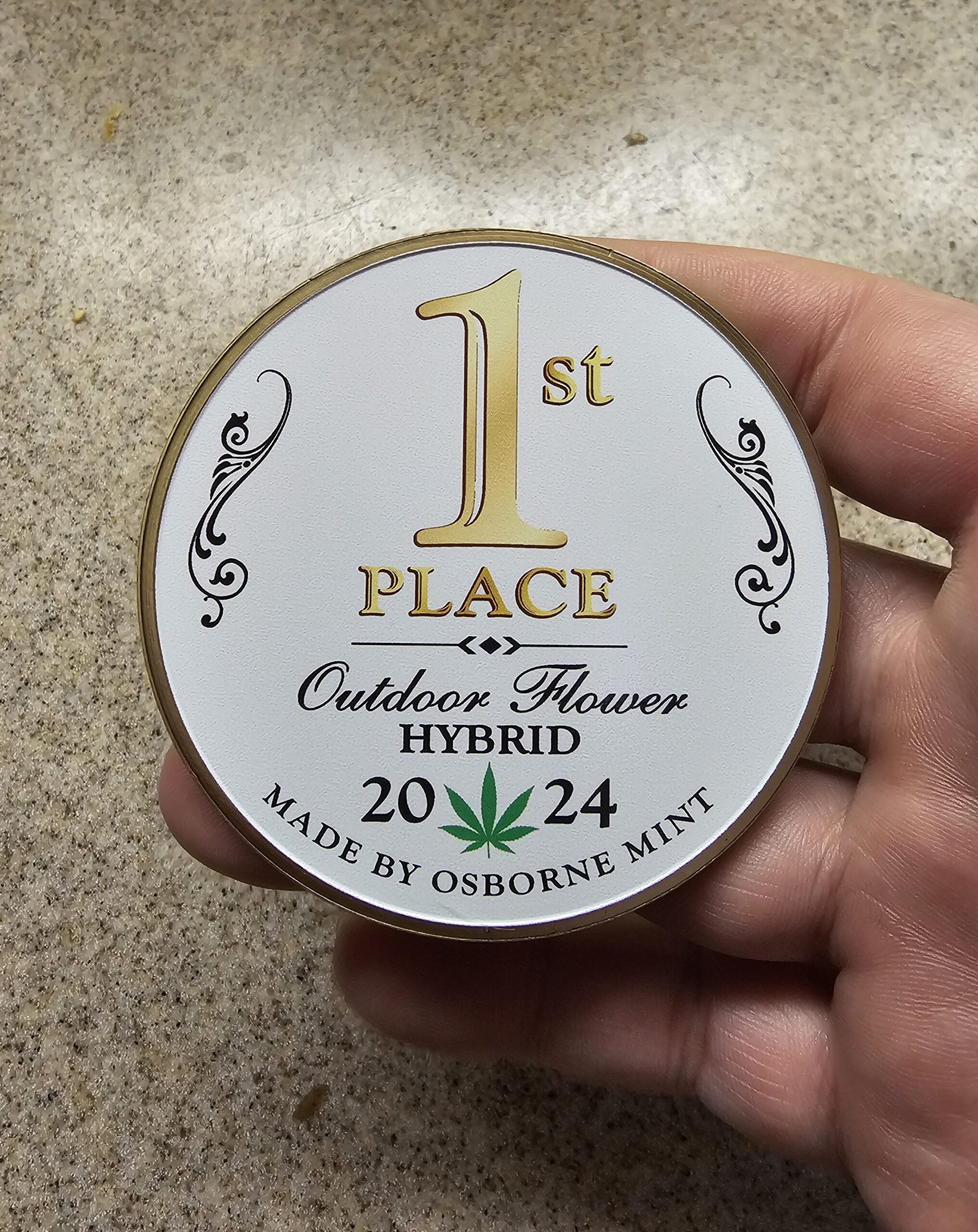
MAC1. One pound, so sticky it came out of the bag as one piece.
Ohio.
The next frontier.
Legal recreational market
Full-spectrum operator
Black market → grey market
→ legal era
He relocated to Ohio with his family — a quieter chapter, intentionally so. But the industry kept moving, and so did he. From black market origins to commercial grey market operations to the fully legal recreational era now taking shape in Ohio and beyond — few people in this industry have lived the entire arc. That continuity of experience, that full-spectrum perspective, is exactly what the next phase of this industry needs. He’s here to find where it fits.